Table of Contents
ToggleTrailing house plants bring life to vertical spaces most greenery can’t reach, shelf edges, hanging baskets, wall-mounted planters, and high cabinets that would otherwise sit empty. Their cascading vines soften hard edges, add movement, and turn unused airspace into living décor. Unlike upright plants that need floor or table real estate, trailers work overhead and outward, making them ideal for small apartments, rentals, or anyone maximizing square footage. They’re also forgiving. Most popular varieties tolerate irregular watering and low light better than finicky tropicals, which makes them practical for DIYers who want greenery without a full-time commitment.
Key Takeaways
- Trailing house plants fill underutilized vertical spaces in modern homes, turning unused airspace into living décor without consuming floor square footage.
- Pothos and succulent trailers are ideal beginner-friendly options, tolerating low light and irregular watering while growing fast enough to feel rewarding.
- Proper watering technique is critical—allow the top two inches of soil to dry out between waterings to prevent root rot, the most common problem with trailing plants.
- Creative display methods like macramé hangers, floating shelves, and wall-mounted planters offer flexible solutions for renters and small spaces without permanent installation.
- Trailing plants soften industrial décor and align with 2026 biophilic design trends, making them essential for anyone refreshing a space with minimal visual commitment.
Why Trailing Plants Are Perfect for Modern Home Decor
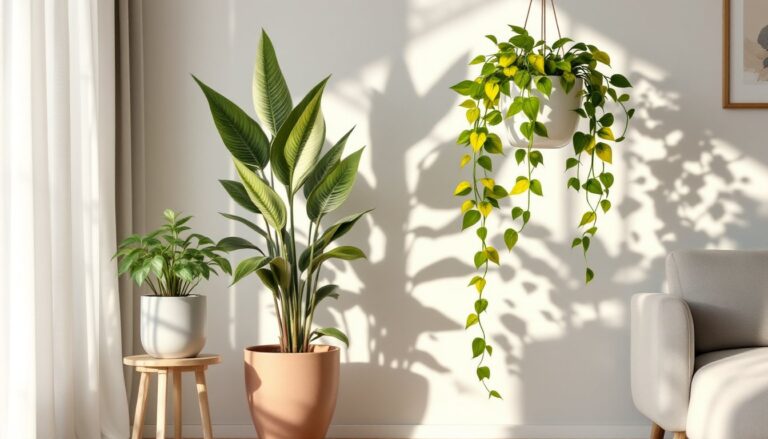
Modern homes often feature open-concept layouts, tall ceilings, and minimal clutter, all of which leave vertical space underutilized. Trailing plants fill that gap without adding floor footprint. A pothos on top of a kitchen cabinet or a string of hearts dangling from a bathroom shelf brings texture and color to eye-level zones that paintings and shelves can’t quite manage.
They also layer well with existing décor. Unlike statement fiddle-leaf figs or sprawling monsteras, trailing plants blend into corners, hang from ceiling hooks, or spill over bookcase edges. They’re modular: you can start with one hanging basket and add more as your confidence grows. And because most trailing varieties root easily from cuttings, a single plant can propagate into a collection within months, no nursery runs required.
From a design perspective, trailing plants soften industrial materials. Exposed brick, concrete counters, metal shelving, all benefit from the organic contrast of living vines. Interior designers have been using cascading greenery to break up hard lines for decades, but the resurgence of biophilic design principles in 2026 has made trailing plants a go-to for anyone renovating or refreshing a space. They’re especially effective in rentals where you can’t paint or drill extensively: a few Command hooks and macramé hangers deliver major visual impact without losing your security deposit.
Best Trailing House Plants for Beginners
Pothos: The Ultimate Low-Maintenance Trailing Plant
Pothos (Epipremnum aureum) tops every beginner list for good reason: it tolerates low light, survives missed waterings, and grows fast enough to feel rewarding without becoming invasive. Vines can extend several feet per year under decent conditions, and the plant signals thirst by drooping slightly, a clear visual cue before it’s too late.
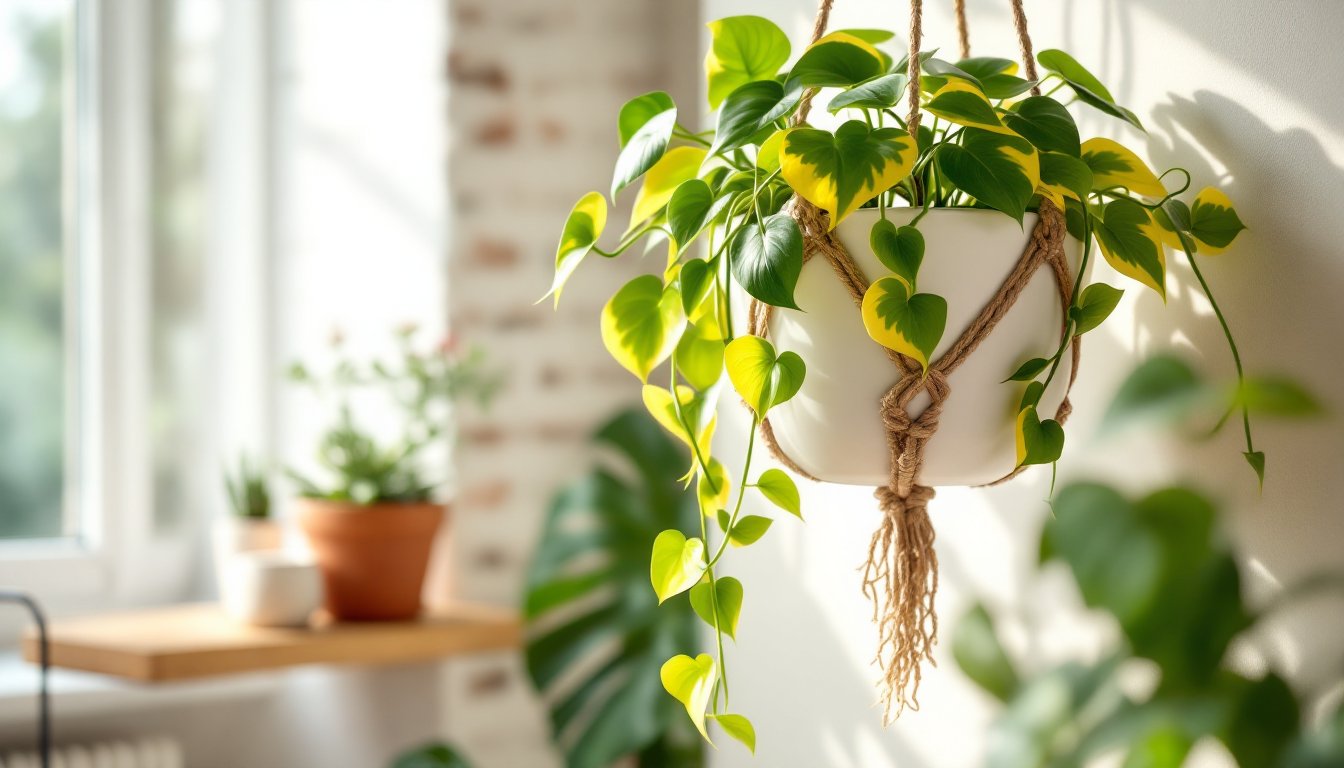
Pothos comes in several cultivars. Golden pothos has yellow-splashed leaves, marble queen shows heavy white variegation, and neon pothos glows chartreuse under bright indirect light. All varieties handle the same care: water when the top two inches of soil dry out (stick your finger in to check), keep them in temperatures above 60°F, and give them medium to bright indirect light. They’ll survive in low light but grow slower and lose some variegation.
One practical note: pothos are toxic to pets and kids if ingested, so keep them out of reach or choose a non-toxic alternative if you’ve got curious cats or toddlers. Propagation is dead simple, snip a four-inch cutting just below a node (the bump where leaves emerge), place it in water, and wait for roots. Within two weeks, you’ll have a new plant ready to pot.
String of Pearls and Other Succulent Trailers
String of pearls (Senecio rowleyanus) and its cousins, string of bananas, string of dolphins, string of hearts, are succulent trailers that bring a completely different aesthetic. Instead of broad leaves, they feature bead-like or shaped foliage on thin stems, giving them a delicate, almost sculptural look.
These plants need bright indirect light (a south- or west-facing window works well) and well-draining soil. Standard potting mix will drown them: use a cactus or succulent blend, or mix your own with 50% potting soil and 50% perlite or coarse sand. Water only when the pearls start to pucker slightly or the soil is bone-dry an inch down. Overwatering is the number-one killer, root rot sets in fast with succulents.
String of pearls grows best in shallow pots with drainage holes. Terracotta is ideal because it wicks moisture away from roots. Fertilize lightly during spring and summer with a diluted succulent fertilizer (half-strength), and skip feeding in fall and winter when growth slows. These plants are slower-growing than pothos, but their unique texture makes them worth the patience.
Creative Ways to Display Trailing Plants in Every Room
Hanging baskets are the obvious choice, but they’re not the only one. Macramé plant hangers add texture and lift plants to eye level near windows without blocking light. Adjust the hanger length so vines cascade at least 12–18 inches below the pot for visual impact. Use ceiling joists or wall studs for anchoring, drywall anchors rated for at least 20 pounds work for lighter pots, but toggle bolts or ceiling hooks screwed into framing are safer for heavier ceramic planters filled with wet soil.
Floating shelves and tall bookcases offer platform space for trailers to spill over edges. Position plants on the top shelf so vines drape down the front, creating a living curtain effect. This works especially well in kitchens above cabinets or in living rooms flanking windows. Just ensure shelves are mounted to studs if you’re stacking multiple heavy pots.
For renters or commitment-phobes, tension rods installed in window frames or between walls can support S-hooks and lightweight hanging pots. No drilling required, and you can reposition them seasonally as light shifts. In bathrooms, mount a small shelf above the toilet or near the shower (trailing plants love humidity) and let vines cascade toward the mirror, it softens the clinical look of most rental bathrooms.
Wall-mounted planters and vertical garden frames turn trailing plants into living art. Products like pocket planters or modular felt systems let you cluster multiple varieties at varying heights, which adds depth and movement. This approach mirrors the layered greenery displays popular in 2026 design trends, where mixed textures, pothos, philodendron, and ivy, create a lush, asymmetrical look.
Don’t overlook unconventional spots: the top of a refrigerator, above a door frame, or on a high plant stand in a corner. Trailing plants draw the eye upward and make ceilings feel higher, which is a budget-friendly trick for opening up small rooms.
Essential Care Tips for Healthy Cascading Growth
Watering is the biggest variable. Most trailing plants prefer to dry out slightly between waterings, stick your finger two inches into the soil, and water only when it feels dry. Overwatering causes root rot, which shows up as yellowing leaves and mushy stems. Underwatering leads to crispy brown tips and stunted growth. If you’re between the two, err on the dry side: most trailers recover faster from drought than from soggy roots.
Use pots with drainage holes. Decorative cache pots (the outer vessel with no holes) are fine as long as you remove the inner nursery pot to water, let it drain fully, then return it. Standing water at the bottom of a cache pot is a death sentence for roots.
Light requirements vary by species, but most popular trailers thrive in bright indirect light, within a few feet of an east- or west-facing window, or several feet back from a south-facing one. Direct sun scorches leaves, especially on thin-leaved varieties like string of hearts. If you only have low-light spots, stick with pothos, philodendron, or English ivy: they’ll grow slower but survive.
Fertilizing supports faster growth and richer color. Use a balanced liquid fertilizer (10-10-10 or 20-20-20) diluted to half-strength, applied every 4–6 weeks during spring and summer. Skip feeding in fall and winter when growth naturally slows. Over-fertilizing causes salt buildup in soil, which shows up as white crust on the pot rim or burned leaf edges. Flush the soil every few months by running water through it until it drains out the bottom.
Pruning keeps vines from getting leggy and encourages bushier growth. Trim back long stems just above a node (the bump where leaves attach), and the plant will branch out from that point. Save healthy cuttings for propagation. Pruning also removes yellowed or damaged leaves, which improves airflow and reduces pest risk.
Humidity matters for some species. Most trailers tolerate average household humidity (40–50%), but tropical varieties like string of hearts and certain philodendrons appreciate a boost. Group plants together to create a micro-climate, run a humidifier nearby, or place pots on trays filled with pebbles and water (keep the pot above water level, not sitting in it). Bathrooms and kitchens naturally offer higher humidity.
Common Problems and How to Fix Them
Yellowing leaves usually signal overwatering or poor drainage. Check the soil moisture, if it’s soggy, let it dry out completely and reduce watering frequency. If the pot has no drainage holes, repot immediately into one that does. Yellow leaves can also mean nutrient deficiency: if the plant hasn’t been fed in months, try a diluted fertilizer.
Brown, crispy tips point to underwatering, low humidity, or salt buildup from tap water or excess fertilizer. Increase watering slightly, mist the plant, or switch to filtered or distilled water if your tap water is heavily chlorinated or high in minerals. Flush the soil to remove salt deposits.
Leggy growth with long gaps between leaves happens in low light. Move the plant closer to a window, or add a grow light (full-spectrum LED bulbs work well). Prune back leggy vines to encourage branching closer to the base.
Pests like spider mites, aphids, and mealybugs occasionally show up, especially on stressed plants. Spider mites leave fine webbing and stippled leaves: aphids cluster on new growth: mealybugs look like white cottony spots. Isolate the affected plant immediately. Wipe leaves with a damp cloth, then spray with insecticidal soap or a mix of water and a few drops of dish soap. Repeat weekly until pests are gone. For persistent infestations, neem oil works but requires consistent application and good ventilation.
Root rot is the worst-case scenario, mushy, black roots and a sour smell from the soil. If caught early, you can sometimes save the plant by trimming away all rotted roots with sterile scissors, repotting in fresh, well-draining soil, and cutting back top growth to reduce stress. If the rot is extensive, take healthy cuttings and start over.
Lack of growth in spring and summer often means the plant is rootbound. Check if roots are circling the pot or poking out drainage holes. If so, repot into a container one size larger (typically 2 inches wider in diameter) with fresh potting mix. Most trailing plants prefer being slightly rootbound but will stall out if too cramped. Following seasonal care routines helps you stay ahead of common issues before they escalate.
Trailing house plants don’t require a green thumb, just consistent observation and willingness to adjust. Start with one forgiving variety, get the watering rhythm down, and expand from there. Within a season, you’ll have cascading greenery that transforms dead space into living architecture.