Table of Contents
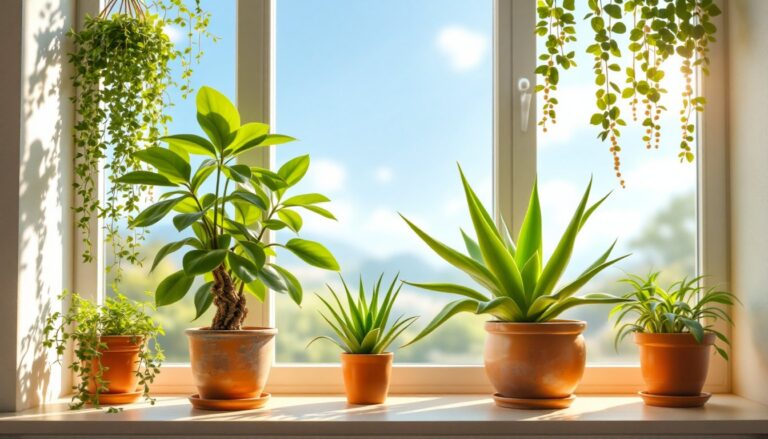
ToggleIndoor plants can transform a room’s air quality and aesthetics, but not everyone has time for daily watering schedules and humidity adjustments. For homeowners juggling renovations, repairs, and regular upkeep, low-maintenance houseplants offer greenery without the guilt. The right plants thrive on minimal attention, some actually prefer neglect to fussing. This guide covers proven varieties that tolerate irregular watering, low light, and the occasional dusty leaf, plus the essential care habits that keep them alive without dominating a schedule.
Key Takeaways
- Easy to maintain indoor plants like snake plants, pothos, and ZZ plants thrive with minimal attention and forgive irregular watering, making them ideal for busy homeowners and beginners.
- Low-maintenance houseplants improve air quality by filtering VOCs from paint and finishes, while also adding aesthetic appeal without demanding daily care routines.
- Water thoroughly every 1–3 weeks until it drains from the pot bottom, then let soil dry completely; drainage holes are essential to prevent root rot, the leading killer of indoor plants.
- Avoid overwatering, use appropriate potting mixes (cactus soil for succulents, general-purpose for pothos), and fertilize sparingly at half strength during spring and summer only.
- Proper acclimation, monthly pest checks, and gradual light adjustments help new plants adapt successfully, ensuring long-term health without demanding greenhouse-level attention.
Why Choose Low-Maintenance Indoor Plants?
Time efficiency tops the list. Low-maintenance plants forgive missed waterings and don’t demand daily misting or fertilizer routines. They’re ideal for renters, busy professionals, or anyone who travels frequently.
Air quality improvement comes standard. Most houseplants filter VOCs (volatile organic compounds) from paint, adhesives, and finishes, common in homes mid-renovation or freshly updated. Snake plants and pothos actively process formaldehyde and benzene, making them functional beyond decoration.
Durability in variable conditions matters for real homes. Not every room has south-facing windows or consistent temperatures. Hardy plants adapt to low light, fluctuating humidity, and the occasional forgotten watering can. They won’t wilt the moment conditions shift, unlike finicky tropicals that demand greenhouse-level attention.
Lower replacement costs add up over time. A $15 pothos that lasts five years beats replacing $30 orchids every six months. Beginners can build confidence without burning through nursery budgets or dealing with the frustration of repeated plant deaths.
Best Easy to Maintain Indoor Plants for Beginners
Snake Plant: The Nearly Indestructible Favorite
Sansevieria trifasciata (commonly called snake plant or mother-in-law’s tongue) tolerates almost everything except overwatering. Stiff, vertical leaves grow 1–4 feet tall depending on variety, fitting narrow corners or flanking doorways without sprawling.
Water every 2–6 weeks depending on season and pot size. The rhizomatic root system stores moisture, so err on the dry side, yellowing leaves usually signal too much water, not too little. Snake plants handle low light but grow faster near windows. They’re one of the few plants that release oxygen at night, making them suitable for bedrooms.
Potting tip: Use a terracotta pot with drainage holes and a cactus/succulent mix. Standard potting soil retains too much moisture and can rot roots. If the plant becomes root-bound (roots circling the pot’s interior), divide the rhizomes with a clean utility knife and repot in spring.
Pothos: The Forgiving Trailing Beauty
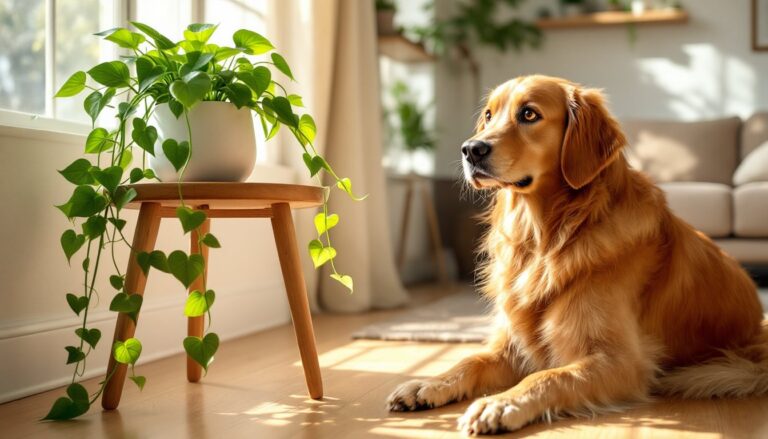
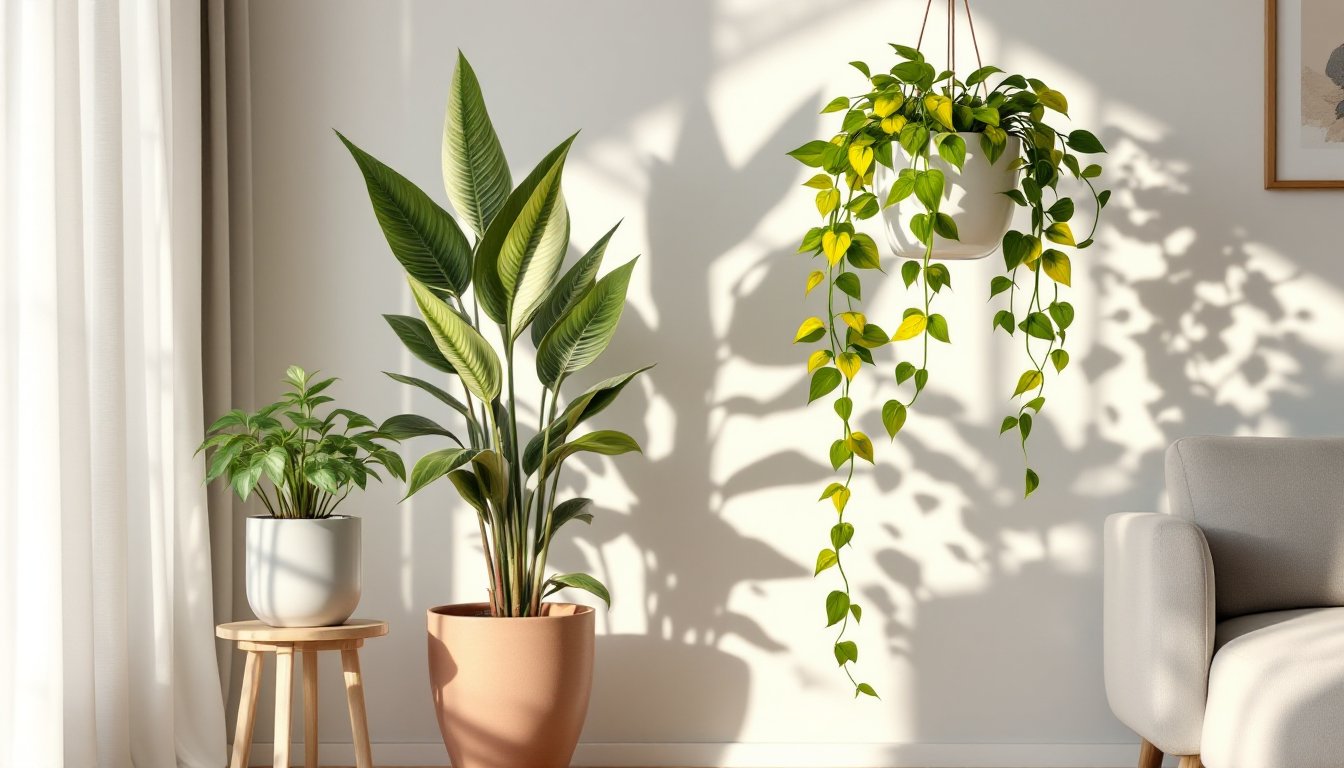
Epipremnum aureum thrives in conditions that would stress most houseplants. Heart-shaped leaves cascade from shelves, climb moss poles, or drape from hanging baskets. Varieties include golden pothos (yellow variegation), marble queen (white streaks), and jade (solid green).
Water when the top 2 inches of soil feel dry, typically every 7–10 days. Pothos signals thirst by drooping slightly: leaves perk up within hours of watering. It tolerates fluorescent office lighting and adapts to most indoor temperatures (60–85°F).
Propagation is effortless. Cut a 4–6 inch stem section below a node (the bump where leaves emerge), place in water, and roots develop in 1–2 weeks. This makes pothos a budget-friendly way to fill multiple rooms or share cuttings. Several varieties thrive with irregular watering, making them popular for first-time plant owners.
ZZ Plant: Thrives on Neglect
Zamioculcas zamiifolia handles low light, irregular watering, and dry air without complaint. Glossy, oval leaflets grow on thick stems that emerge from underground rhizomes, similar to snake plants in water storage capacity.
Water every 2–3 weeks or when soil is completely dry. ZZ plants can go a month without water in cooler months. Overwatering causes stem rot, identifiable by mushy black sections at the soil line. If this occurs, cut affected stems at the base with sterilized pruning shears and reduce watering frequency.
Growth is slow but steady, expect 2–3 new stems per year under average conditions. Mature plants reach 2–3 feet tall and wide, suitable for floor placement in corners or beside furniture. The waxy leaves repel dust better than most houseplants, requiring less frequent cleaning.
Safety note: ZZ plants contain calcium oxalate crystals that irritate skin and mucous membranes. Wear nitrile gloves when pruning or repotting, and keep away from pets and children who might chew leaves.
Essential Care Tips for Low-Maintenance Plants
Watering consistency beats frequency. Most low-maintenance plants prefer a thorough soak every 1–3 weeks over daily dribbles. Water until it drains from the pot’s bottom, then let soil dry before repeating. Use a moisture meter (available for $10–15) to check root-level conditions if unsure, readings below 3 on a 1–10 scale indicate it’s time to water.
Drainage is non-negotiable. Pots without drainage holes trap water and cause root rot, the leading killer of indoor plants. If using a decorative cache pot (outer pot without holes), place the plant in a plastic nursery pot with drainage, water in a sink, let it drain fully, then return it to the cache pot. Never let plants sit in standing water.
Light requirements vary but adapt. “Low light” doesn’t mean no light, it refers to north-facing windows or spots 5–8 feet from bright windows. If plants develop leggy growth (long stems with sparse leaves), move them closer to a light source. Conversely, brown scorch marks on leaves indicate too much direct sun. Many easy-care houseplants adjust to moderate light without issue.
Fertilize sparingly. Low-maintenance plants grow slowly and don’t need aggressive feeding. Use a balanced liquid fertilizer (10-10-10 or 20-20-20 NPK ratio) diluted to half strength once every 2–3 months during spring and summer. Skip fertilizing in fall and winter when growth slows. Over-fertilizing causes salt buildup in soil, visible as white crust on the pot rim.
Repotting happens every 1–3 years. Signs include roots circling the pot’s bottom, water draining too quickly, or stunted growth even though adequate light. Move up one pot size (e.g., from a 6-inch to an 8-inch diameter pot). Use fresh potting mix suited to the plant type, general-purpose for pothos, cactus mix for snake plants and ZZ plants.
Dust management improves photosynthesis. Wipe leaves with a damp microfiber cloth every month or two. Dust blocks light absorption and can harbor pests. For plants with many small leaves (like some ferns), a quick rinse in the shower works, just ensure pots drain fully afterward.
Common Mistakes to Avoid with Easy Indoor Plants
Overwatering kills more plants than underwatering. Yellowing lower leaves, mushy stems, and a sour soil smell all indicate root rot from excess moisture. If caught early, unpot the plant, trim blackened roots with sterilized scissors, and repot in fresh, dry soil. Let the plant recover without watering for 1–2 weeks.
Ignoring pot size leads to stunted growth. A tiny plant in a huge pot sits in wet soil too long, increasing rot risk. Conversely, a root-bound plant can’t access water or nutrients effectively. Match pot size to root mass, there should be about 1 inch of space between roots and pot walls for most small to medium plants.
Skipping acclimation stresses new plants. Moving a plant from a bright nursery to a dim corner causes shock. Gradually adjust light levels over 1–2 weeks. Similarly, don’t repot immediately after purchase, let the plant settle for a few weeks unless it’s severely root-bound.
Using garden soil indoors causes compaction. Outdoor soil is too dense for containers and doesn’t drain well. Always use potting mix formulated for indoor use. These mixes contain peat moss, perlite, or vermiculite for aeration and drainage, critical for root health in containers.
Neglecting pest checks invites infestations. Inspect leaves (tops and undersides) monthly for spider mites (fine webbing), mealybugs (white cottony clusters), or scale (brown bumps on stems). Wipe off pests with rubbing alcohol on a cotton swab, or spray with insecticidal soap for larger infestations. Isolate affected plants to prevent spread.
Assuming “low-maintenance” means zero maintenance sets unrealistic expectations. Even hardy plants need occasional watering, light adjustments, and basic hygiene. The advantage is flexibility, they tolerate inconsistency better than high-maintenance varieties. Think of them as the cast-iron pans of the plant world: durable, forgiving, and reliable with minimal upkeep.
For homeowners managing projects or busy schedules, these plants provide living decor without demanding daily attention. They’re also excellent companions during renovations, improving air quality while tolerating the dust and disruption that come with tearing out drywall or refinishing floors. With proper potting, sensible watering, and the occasional dusting, even a self-proclaimed plant killer can keep these varieties alive and thriving. Comprehensive home improvement guides often emphasize that small, sustainable habits, like consistent watering schedules and seasonal adjustments, translate to long-term success with indoor greenery.