Table of Contents
ToggleNot every houseplant is a friend to everyone. While greenery indoors can improve air quality and add life to a room, certain species trigger allergic reactions that range from mild sniffles to full-blown respiratory distress. For anyone dealing with seasonal allergies, asthma, or sensitivities to pollen, mold, or sap, the wrong plant choice can turn a cozy living room into a sneeze fest. Understanding which plants are likely culprits helps homeowners make smarter decisions, whether that means skipping certain species altogether or taking extra precautions with placement, watering, and maintenance. This guide breaks down the indoor plants most likely to cause trouble.
Key Takeaways
- The worst indoor plants for allergies trigger reactions through pollen, mold spores, and irritating sap compounds—ferns, flowering plants, and certain trees are primary culprits.
- Ferns and Boston ferns are especially problematic because they reproduce via microscopic spores that become airborne and thrive in the moist soil conditions these plants require.
- Weeping figs, African violets, chrysanthemums, and jasmine release pollen or fragrance indoors that can cause or worsen respiratory issues and allergies in sensitive individuals.
- Mold growth in potting soil is an overlooked allergen source, particularly with plants that need consistently moist conditions—using well-draining soil, proper drainage holes, and avoiding overwatering significantly reduces spore release.
- Safe alternatives like pothos, snake plants, and areca palms tolerate lower humidity without producing airborne allergens, making them better choices for allergy-prone households.
- For severe mold allergies or asthma, hydroponics or semi-hydroponic systems eliminate soil-based mold entirely while still providing year-round indoor greenery.
Why Some Houseplants Trigger Allergies
Houseplants trigger allergic reactions through three main pathways: pollen, mold, and irritant compounds in sap or fragrances. Unlike outdoor plants that rely on wind or insects for pollination, some indoor flowering species still produce airborne pollen that circulates in enclosed spaces. Even small amounts can provoke symptoms in sensitive individuals.
Mold is often the bigger issue indoors. Overwatered soil, poor drainage, and high humidity create ideal breeding grounds for spores that become airborne when the soil is disturbed or when fans circulate air. People with mold allergies may not realize their symptoms stem from a potted fern rather than a damp basement.
Finally, certain plants release volatile organic compounds (VOCs) or contain sap that irritates skin and mucous membranes. These aren’t classic allergens in the immunological sense, but they cause reactions that feel identical, watery eyes, runny noses, and respiratory irritation. The combination of these factors makes plant selection critical for anyone prone to allergies.
Symptoms can be subtle at first. A persistent dry cough, itchy eyes, or morning congestion might not immediately point to the new Boston fern in the bedroom. But tracking symptom timing, especially if they worsen after watering or spending time near specific plants, can reveal the connection.
Ferns: Beautiful but Highly Allergenic
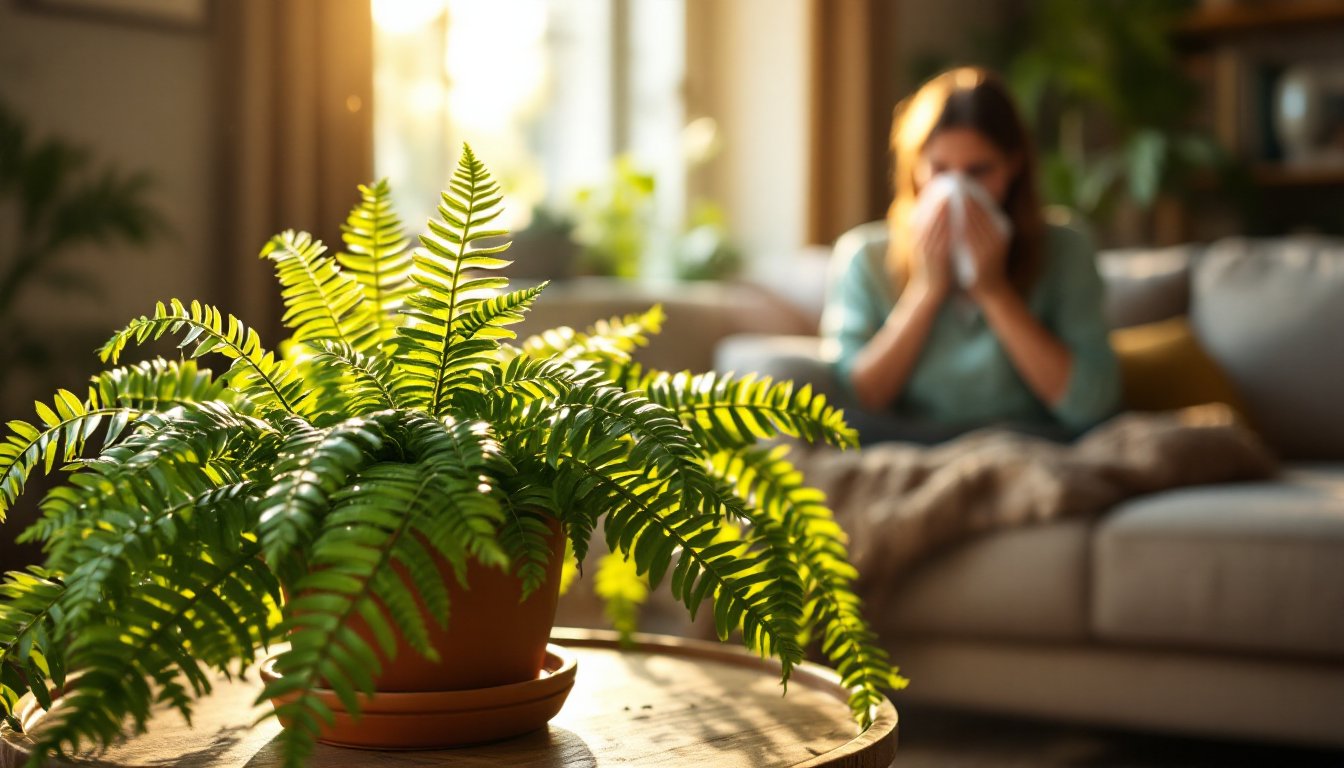
Ferns are popular for their lush, feathery fronds and low-light tolerance, but they’re also among the most problematic plants for allergy sufferers. Boston ferns (Nephrolepis exaltata) and maidenhair ferns (Adiantum) reproduce via spores rather than pollen, and those spores become airborne easily, especially when fronds are brushed or the plant is moved.
Spores are microscopic and lightweight, drifting through rooms and settling on surfaces. For anyone with mold or spore sensitivities, this is a recipe for chronic symptoms. Ferns also require consistently moist soil and high humidity, conditions that encourage mold growth in the potting mix itself. If the pot lacks proper drainage or sits in a saucer of standing water, the problem multiplies.
Many gardening guides recommend ferns for bathrooms or kitchens where humidity is naturally higher, but that same environment accelerates spore release and mold colonization. If someone in the household has asthma or a diagnosed mold allergy, it’s best to skip ferns entirely.
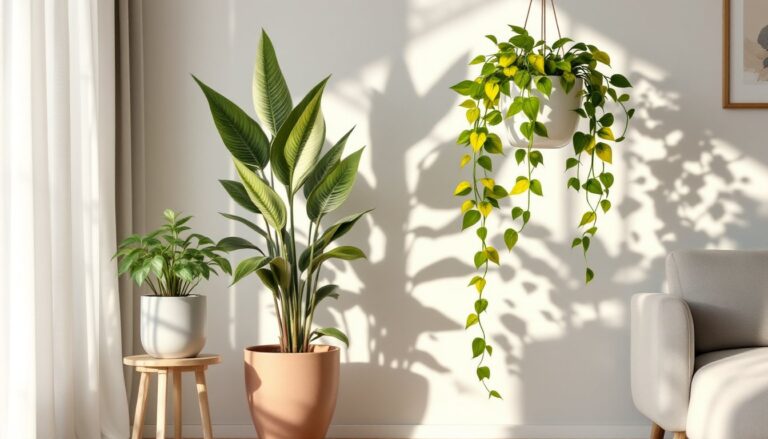
Alternatives include pothos (Epipremnum aureum) or snake plants (Sansevieria trifasciata), which tolerate lower humidity and don’t produce airborne spores. Both are forgiving, low-maintenance, and safe for most allergy-prone households.
Flowering Plants That Release Pollen Indoors
African Violets and Chrysanthemums
African violets (Saintpaulia) are compact, colorful, and popular on windowsills, but their fuzzy leaves trap dust and release pollen when in bloom. The fine hairs on the foliage also hold onto allergens from other sources, making them a magnet for irritants. Wiping the leaves clean is difficult without damaging them, so dust and pollen accumulate over time.
Chrysanthemums (Chrysanthemum morifolium) are frequent offenders. Often sold as potted gift plants, mums produce significant pollen and contain pyrethrins, natural insecticidal compounds that can irritate skin and respiratory tracts. Even if someone isn’t allergic to pollen, handling the plant or being near it during bloom can cause reactions.
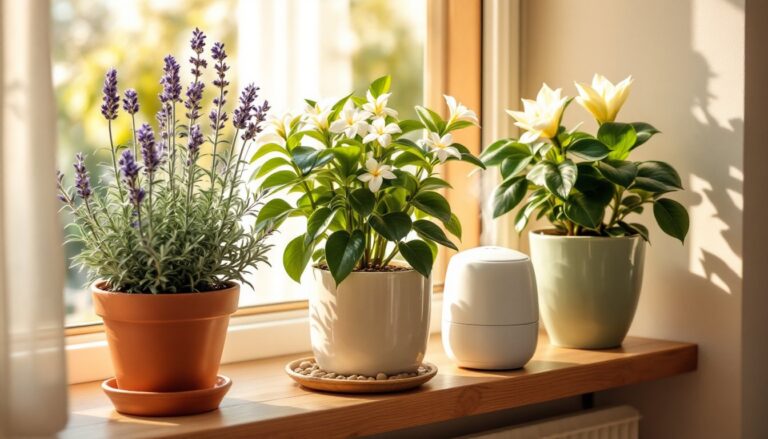
Other flowering culprits include orchids (some varieties), amaryllis, and jasmine. While orchids are generally low-pollen, fragrant varieties and those with exposed stamens can still trigger symptoms. Jasmine’s heavy fragrance is pleasant to some but overwhelming and irritating to others, especially in small, poorly ventilated rooms.
If flowering plants are a must, choose those with minimal pollen production or heavy, insect-pollinated blooms that don’t release pollen into the air. Peace lilies (Spathiphyllum) are often tolerated better, though their flowers still produce some pollen and the plant’s sap can irritate skin.
Trees and Palms: Unexpected Indoor Allergen Sources
Indoor trees and palms bring dramatic scale to a room, but several species are problematic for allergies. Weeping figs (Ficus benjamina) are common in offices and homes, yet they’re notorious for triggering reactions. The tree releases latex proteins into the air, especially when leaves are damaged or shed. People with latex allergies are particularly at risk, but even those without known sensitivities can develop symptoms after prolonged exposure.
Ficus trees are also heavy shedders. Falling leaves create debris, and as they decompose in the pot or on the floor, they contribute to dust and mold buildup. The plant prefers consistent moisture, which again means potential mold growth in the soil.
Areca palms (Dypsis lutescens) and bamboo palms (Chamaedorea seifrizii) are generally better choices, but even these can harbor mold if overwatered. Palms grown indoors sometimes develop fungal issues on their fronds, especially in low-light or high-humidity environments. Wiping fronds regularly and ensuring good air circulation can help, but it’s extra maintenance.
Rubber plants (Ficus elastica) are another ficus variety that can cause issues, though they’re less problematic than weeping figs. Their thick leaves are easier to clean, and they shed less frequently, but the latex sap remains an irritant. Anyone pruning or repotting should wear nitrile gloves to avoid skin contact.
Plants with Irritating Sap and Fragrances
Some plants don’t release pollen or spores but cause reactions through sap or fragrance. Dieffenbachia (dumb cane) and philodendrons contain calcium oxalate crystals in their sap, which can irritate skin, eyes, and mucous membranes on contact. While these aren’t airborne allergens, handling the plants during repotting, pruning, or even brushing against a cut stem can cause immediate discomfort.
Symptoms include burning sensations, swelling, and redness. Ingestion is far more dangerous, hence the common name “dumb cane,” referring to the temporary inability to speak after exposure. These plants should be kept out of reach of children and pets, and anyone working with them should wear gloves and safety glasses.
Scented geraniums and lavender are beloved for their fragrances, but strong scents can trigger headaches, sinus congestion, and respiratory irritation in sensitive individuals. What smells pleasant to one person can be overwhelming and nauseating to another. Home decorating ideas often emphasize fragrant plants for ambiance, but it’s worth considering whether anyone in the household has scent sensitivities before committing.
Even plants like English ivy (Hedera helix), often recommended for air purification, can cause contact dermatitis. The leaves and stems contain compounds that irritate skin, and the plant can harbor dust and mold in its dense foliage. Regular cleaning helps, but it’s not always practical with trailing or climbing varieties.
Mold-Prone Plants and Soil Concerns
Mold in potting soil is one of the most common, yet overlooked, sources of indoor allergens. Any plant that requires consistently moist soil is at risk, but species like ferns, peace lilies, and calatheas are especially prone because they need frequent watering and high humidity.
White mold (often Trichoderma or saprophytic fungi) appears as fuzzy growth on the soil surface. While not usually harmful to the plant, it releases spores into the air that can provoke allergic reactions. Overwatering, poor drainage, and lack of airflow all contribute. Using pots without drainage holes, common with decorative ceramic containers, traps moisture and accelerates mold growth.
To minimize mold, use well-draining potting mix with perlite or bark, ensure pots have drainage holes, and avoid letting plants sit in standing water. Bottom-watering (placing the pot in a tray of water and letting it wick up moisture) can reduce surface mold, though it doesn’t eliminate the issue entirely.
Some growers top-dress soil with fine gravel or horticultural sand to discourage mold, though this only addresses surface growth. If mold is a recurring problem, consider switching to self-watering pots with built-in reservoirs that reduce the need for frequent top watering, or choose plants that tolerate drier conditions.
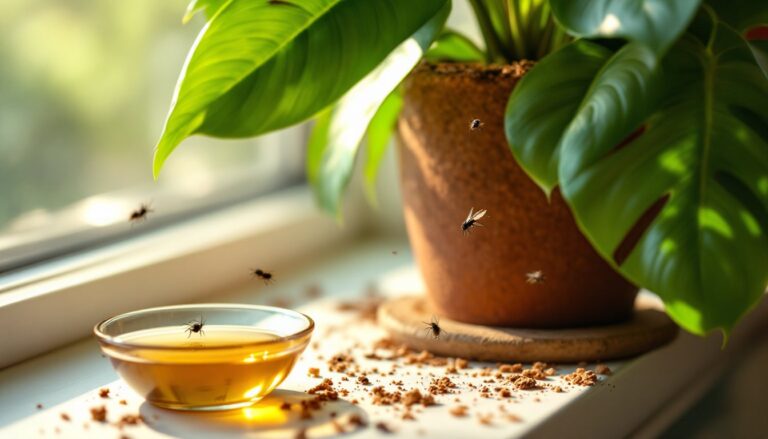
Interior design trends increasingly favor grouped plant displays, but clustering plants reduces airflow and creates microclimates where mold thrives. Space plants apart, run a small fan to keep air moving, and inspect soil regularly for early signs of mold or fungus gnats, tiny flies that indicate overly wet conditions.
For anyone with diagnosed mold allergies or asthma, it may be worth avoiding soil-based plants altogether and opting for hydroponics or semi-hydroponic setups (like LECA, lightweight expanded clay aggregate). These systems eliminate soil entirely, cutting off the primary mold source while still allowing plant growth.