Table of Contents
ToggleAdding plants to a bedroom isn’t just about aesthetics, it’s a practical way to improve air quality, boost humidity, and create a calmer sleep environment. Unlike other rooms where light pours in from multiple windows, bedrooms often face unique challenges: lower light levels, closed doors at night, and specific humidity needs for comfort. The right plants can handle these conditions while working quietly to filter airborne toxins and release oxygen. This guide covers the best bedroom plants for air purification, low-light tolerance, and sleep enhancement, plus the care basics to keep them thriving without turning your nightstand into a maintenance project.
Key Takeaways
- Good bedroom plants actively filter airborne toxins like formaldehyde and benzene while releasing oxygen, improving both air quality and sleep environment.
- Snake plant and other CAM photosynthesis plants release oxygen at night, making them ideal for closed bedrooms where CO₂ accumulates overnight.
- Low-light tolerant plants like pothos, ZZ plant, and philodendron thrive in bedrooms with limited natural light while requiring minimal watering and maintenance.
- Lavender and jasmine support better sleep through research-backed scent compounds, though they require bright direct light and consistent care to survive indoors.
- Overwatering is the leading cause of houseplant failure—check soil 2 inches deep before watering and ensure all pots have drainage holes to prevent root rot.
- Group bedroom plants together to create a beneficial microclimate that increases humidity and reduces the need for mechanical humidifiers during dry seasons.
Why Bedroom Plants Are More Than Just Decoration
Bedroom plants offer measurable benefits beyond filling empty corners. They actively remove volatile organic compounds (VOCs) like formaldehyde, benzene, and trichloroethylene, common offgassers from mattresses, pressed-wood furniture, and paint. NASA’s Clean Air Study identified several houseplants capable of filtering these toxins through natural metabolic processes in their leaves and root zones.
Most bedroom plants also release moisture through transpiration, raising relative humidity by 5-10%. That’s useful in heated or air-conditioned spaces where dry air irritates sinuses and throats during sleep. Unlike mechanical humidifiers, plants don’t require filter changes or risk mold buildup in reservoirs.
Some species perform CAM photosynthesis (Crassulacean Acid Metabolism), opening their stomata at night to absorb carbon dioxide and release oxygen, the reverse of typical plants. This makes them particularly well-suited for closed bedrooms where CO₂ can accumulate overnight. Snake plants and certain succulents use this pathway, making them functional rather than just decorative.
Finally, caring for plants has documented psychological benefits: routine watering and pruning provide low-stakes accomplishment and a tactile break from screens. That might sound soft, but the ritual of checking soil moisture before bed can be as grounding as any other wind-down habit.
Top Air-Purifying Plants for Your Bedroom
Snake Plant: The Low-Maintenance Sleep Champion
Snake plant (Sansevieria trifasciata) tolerates neglect better than almost any other houseplant. It survives in low to bright indirect light, needs watering only every 2-3 weeks (less in winter), and handles temperature swings without complaint. The thick, upright leaves store water, so overwatering is the main failure mode, root rot sets in fast in soggy soil.
Because it uses CAM photosynthesis, snake plant releases oxygen at night, unlike most foliage plants that pause photosynthesis after dark. It’s also effective at filtering formaldehyde and benzene, both common in bedroom furnishings. The variegated cultivars like ‘Laurentii’ (yellow-edged) and ‘Moonshine’ (silvery-green) offer visual interest without extra care requirements.
Place snake plants in well-draining cactus mix or add perlite to standard potting soil (roughly 1 part perlite to 2 parts soil). Terra cotta pots help wick excess moisture. They grow slowly, so repotting is needed only every 3-5 years. If leaves yellow or feel mushy at the base, cut back on water immediately.
Peace Lily: Natural Humidity and Clean Air
Peace lily (Spathiphyllum) excels in low to medium light and signals its water needs clearly: leaves droop when the soil dries out, then perk up within hours of watering. This makes it nearly impossible to kill from underwatering, though the drama can be annoying if you’re away for a weekend.
Peace lilies remove ammonia, benzene, formaldehyde, and trichloroethylene from indoor air. They also transpire heavily, adding humidity to dry bedrooms, helpful in winter or arid climates. The white spathes (often mistaken for flowers) appear intermittently and last several weeks.
Keep soil consistently moist but not waterlogged. They thrive in standard potting mix with good drainage. If tap water has high chlorine or fluoride, use filtered or distilled water to avoid brown leaf tips, a common cosmetic issue. Wipe dust off leaves monthly with a damp cloth to keep stomata clear for gas exchange.
Safety note: Peace lilies contain calcium oxalate crystals and are toxic to cats, dogs, and small children if ingested. Place them on high shelves or skip them if pets chew plants.
Best Low-Light Bedroom Plants for Dark Rooms
Bedrooms with north-facing windows, heavy curtains, or interior walls need plants that tolerate low light, defined as areas where you can read comfortably during the day but wouldn’t want to work without a lamp. These aren’t zero-light plants: they still need ambient daylight, just not direct sun.
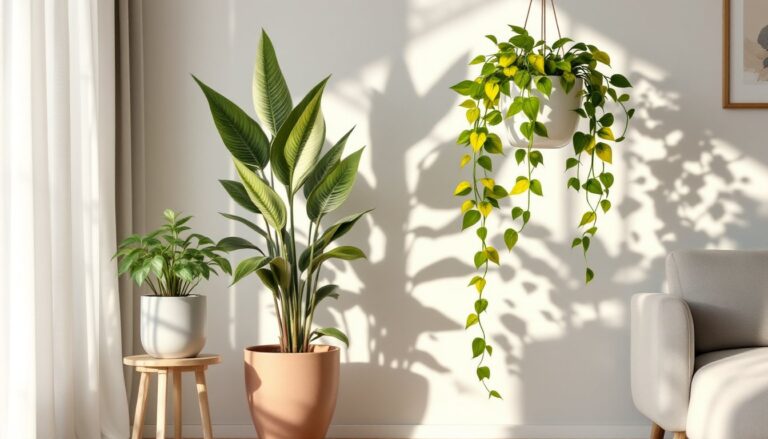
Pothos (Epipremnum aureum) adapts to almost any light level, though variegated varieties like ‘Marble Queen’ lose their white patterning in deep shade. The trailing vines work well on dressers or hanging planters. Pothos filters formaldehyde and xylene and tolerates irregular watering. Let the top 2 inches of soil dry between waterings. Yellowing leaves mean overwatering: brown, crispy edges suggest underwatering or low humidity.
ZZ plant (Zamioculcas zamiifolia) has thick, waxy leaflets that store water in underground rhizomes, allowing it to survive weeks of neglect. It grows slowly in low light and needs watering only when the soil is completely dry. ZZ plants remove toluene and xylene from air. The only real risk is overwatering, which rots the rhizomes. Use a moisture meter if you’re unsure, readings below 3 (on a 1-10 scale) mean it’s safe to water.
Philodendron heartleaf (Philodendron hederaceum) tolerates low light and is nearly as forgiving as pothos. The heart-shaped leaves stay compact in shade and will vine if given a support. Many home decor projects incorporate philodendrons as living accents because they adapt to various container styles. Water when the top inch of soil feels dry. Trim leggy growth to encourage bushier shape.
Plants That Promote Better Sleep and Relaxation
Certain plants release compounds or provide sensory cues that support relaxation, though the effects are subtle, don’t expect pharmaceutical-level sedation from a potted plant.
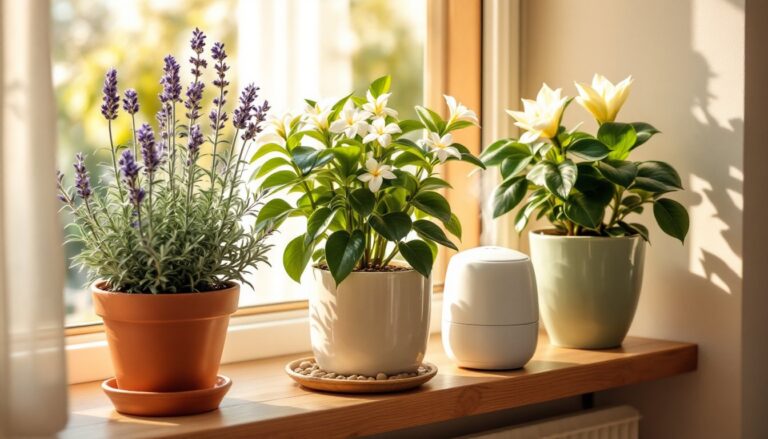
Lavender (Lavandula) is the most researched plant for sleep. Studies show that lavender essential oil reduces heart rate and blood pressure, and improves sleep quality in controlled trials. Growing lavender indoors is tricky, it needs bright, direct light (6+ hours) and excellent drainage. Use a terracotta pot with cactus mix, water only when the top inch is dry, and place it on a south-facing windowsill. If your bedroom lacks intense light, lavender won’t survive long-term. Consider a small grow light (full-spectrum LED, 20-40 watts) on a timer for 10-12 hours daily.
Jasmine (Jasminum polyanthum or J. sambac) produces fragrant white flowers that bloom in cycles, usually in spring and summer. Research from Wheeling Jesuit University found that jasmine scent improved sleep quality and reduced anxiety in test subjects. Like lavender, jasmine needs bright indirect light and consistent moisture. It’s more viable as a bedroom plant if you have an east- or west-facing window. Prune after flowering to control size and encourage branching.
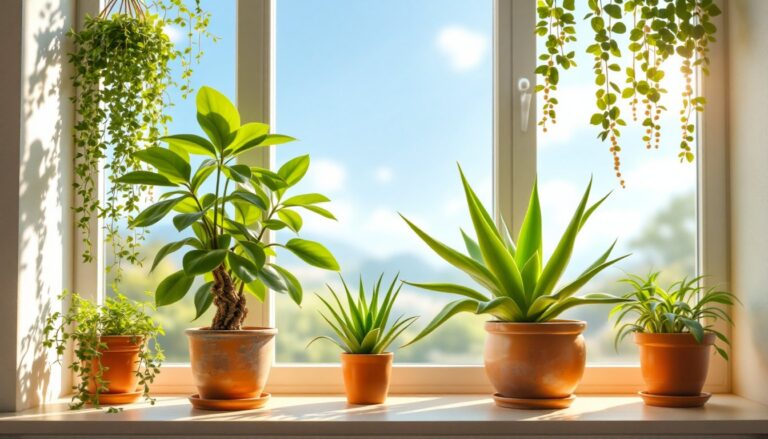
Aloe vera is a CAM plant that releases oxygen at night and requires minimal care. It needs bright, indirect light and watering every 2-3 weeks. The gel inside the leaves has topical uses for minor burns and skin irritation, making it a dual-purpose plant. Many plant care guides recommend aloe as a beginner-friendly option for bedrooms with good natural light. Use well-draining succulent soil and a pot with drainage holes. Brown or soft leaves indicate overwatering.
Areca palm (Dypsis lutescens) is a larger plant that transpires heavily, adding humidity and filtering formaldehyde, xylene, and toluene. It tolerates medium light and needs consistent moisture, water when the top inch of soil dries. Areca palms can reach 6-7 feet indoors, so they work best in spacious bedrooms with floor space to fill.
How to Care for Bedroom Plants Successfully
Light: Most bedroom plants fall into the low to medium light category. If your room gets less than 4 hours of indirect daylight, consider supplemental LED grow lights (full-spectrum, 15-30 watts). Mount them 12-18 inches above plants on a timer for 10-12 hours daily. Avoid incandescent bulbs, they generate heat without the spectrum plants need.
Watering: Overwatering kills more houseplants than underwatering. Check soil moisture 2 inches down with your finger or a moisture meter before watering. Most bedroom plants prefer the top 1-2 inches to dry out between waterings. Use room-temperature water: cold tap water shocks roots. If your tap water is heavily chlorinated, let it sit uncovered overnight to allow chlorine to dissipate, or use filtered water.
Soil and drainage: Always use pots with drainage holes. If you love a decorative pot without drainage, use it as a cachepot, place the nursery pot inside and remove it to water in a sink. Standard potting mix works for most plants: add perlite or coarse sand (1 part amendment to 3 parts soil) for succulents and cacti. Avoid garden soil indoors, it compacts and drains poorly in containers.
Humidity: Most tropical houseplants prefer 40-60% relative humidity. If your bedroom is drier (common in winter with forced-air heat), group plants together to create a microclimate, or place pots on trays filled with pebbles and water (pot bases should sit above the waterline). A small humidifier works if you’re running several humidity-loving plants like peace lilies or ferns.
Fertilizing: Feed during active growth (spring and summer) with diluted liquid fertilizer at half the recommended strength every 4-6 weeks. Most bedroom plants grow slowly in low light and need minimal feeding. Skip fertilizer in fall and winter when growth slows. Yellowing lower leaves or stunted growth can indicate nutrient deficiency, but check watering and light first, those are more common culprits.
Cleaning and maintenance: Dust blocks light and clogs stomata, reducing photosynthesis and air-purifying efficiency. Wipe leaves with a damp microfiber cloth monthly. For plants with many small leaves, rinse them gently in the shower (lukewarm water, low pressure). Remove dead or yellowing leaves promptly to prevent fungal issues and improve appearance.
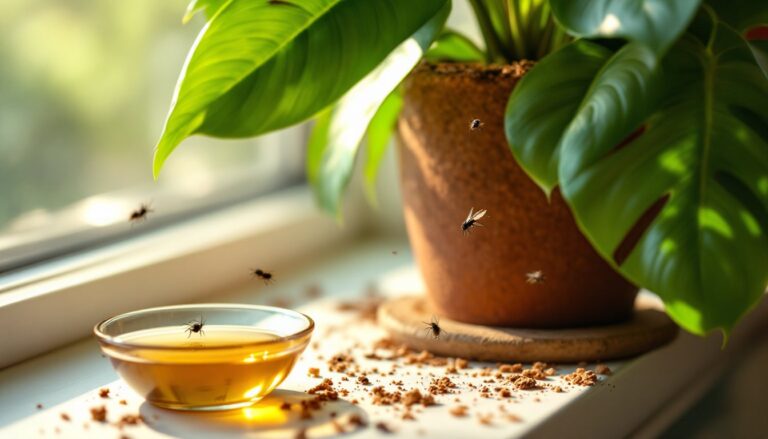
Pest management: Common indoor pests include spider mites, fungus gnats, and mealybugs. Inspect plants weekly, especially on leaf undersides and along stems. Isolate any infested plant immediately. Treat spider mites and mealybugs with insecticidal soap or neem oil spray (follow label instructions). Fungus gnats indicate overwatering, let soil dry more between waterings and consider a layer of sand on the soil surface to disrupt their lifecycle. For comprehensive plant troubleshooting strategies, referencing established guides can help identify issues early.
Repotting: Most bedroom plants need repotting every 2-3 years or when roots circle the pot bottom or emerge from drainage holes. Move up one pot size (1-2 inches larger in diameter). Repot in spring when growth resumes. Use fresh potting mix and water thoroughly after repotting to settle soil around roots.