Table of Contents
ToggleIf you’ve ever walked into your living room to find potting soil scattered across the floor and your fiddle-leaf fig looking like it hosted a feline wrestling match, you’re not alone. Cats and houseplants are natural enemies, or at least that’s how it feels when your pet treats your green collection like a personal salad bar and litter box. The good news? You don’t have to choose between your Boston fern and your tabby. With the right combination of barriers, deterrents, and strategic placement, you can protect your plants without turning your home into a fortress. This guide covers practical, tested methods to keep cats out of houseplants while keeping both your cat and your greenery happy.
Key Takeaways
- Physical barriers like chicken wire, river rocks, and elevated shelves are the most reliable methods to keep cats away from indoor plants while maintaining a safe, accessible home.
- Cats dig in plant soil due to instinctive bathroom behavior, curiosity triggered by moving leaves, nutritional gaps, and boredom—understanding these motivations helps you address the root cause.
- Natural deterrents such as citrus peels, cayenne pepper, and double-sided tape require consistent reapplication but work without harming pets or plants.
- Providing cat-friendly alternatives like cat grass, digging boxes, and vertical furniture redirects your cat’s energy and often proves more effective than denial alone.
- Behavioral training combined with strategic plant placement takes 2–6 weeks of consistency, but positive reinforcement and patience create long-term solutions for protecting houseplants from feline interference.
- Combining multiple strategies—barriers, deterrents, placement, and alternatives—tailored to your specific cat’s behavior yields the best results for coexisting peacefully with both plants and pets.
Why Cats Are Attracted to Your Houseplants
Understanding the enemy is half the battle. Cats dig in plant soil for a few specific reasons, and none of them involve spite, though it might feel that way.
Instinctive digging behavior is hardwired. In the wild, cats bury their waste to hide their scent from predators and competitors. A pot full of loose potting mix looks and smells like prime real estate for that purpose. Even indoor cats retain this instinct.
Curiosity and texture also play a role. Dangling leaves trigger prey drive. Swaying fronds mimic the movement of birds or insects, and many cats can’t resist a good pounce. The cool, loose soil offers a different tactile experience than carpet or hardwood, it’s novel, and cats are drawn to novelty.
Nutritional gaps or digestive needs might drive some cats to nibble greens. Cats lack the enzymes to digest plant matter efficiently, but they’ll still chew grass or leaves to induce vomiting and clear hairballs or settle an upset stomach. If your cat is aggressively targeting plants, it might be seeking fiber or trying to self-medicate.
Boredom is often underestimated. A cat left alone all day with nothing to do will find entertainment, and your rubber plant is more interesting than staring at a wall. Indoor cats, especially, need mental and physical stimulation.
Physical Barriers That Actually Work
The most reliable way to keep cats out of houseplants is to make access physically difficult or impossible. These barriers range from simple to elaborate, depending on your tolerance for DIY and aesthetics.
Chicken wire or hardware cloth cloches are low-cost and effective. Cut a piece of 1/2-inch or 1/4-inch mesh to fit over the pot, leaving a hole in the center for the plant stem. Secure it with landscape staples or bend the edges down into the soil. It’s not invisible, but it works. One homeowner’s creative use of a dog crate and chicken wire went viral for good reason, it’s a straightforward cage solution that keeps persistent cats at bay.
Decorative stones or river rocks can cover the soil surface entirely. Use stones 1 to 3 inches in diameter, large enough that a cat can’t dig them aside easily, but not so heavy they compact the soil or impede drainage. This method works best for larger pots and adds a clean, finished look. Just be sure the stones don’t block airflow to the soil surface, which can encourage mold.
Plant cages or tomato cages can be repurposed indoors. A small 18-inch tomato cage inverted over a potted plant creates a physical barrier that still allows light and air circulation. Paint it to match your decor, or wrap it with jute twine for a more natural look.
Elevated plant stands or wall-mounted shelves remove plants from floor level entirely. Cats are excellent jumpers, but if you place plants on a floating shelf 5 feet or higher, with no nearby furniture to use as a launchpad, most cats will lose interest. Use L-brackets rated for at least 20 pounds per shelf to support heavier pots. Avoid placing shelves above seating areas, falling pots are a real hazard.
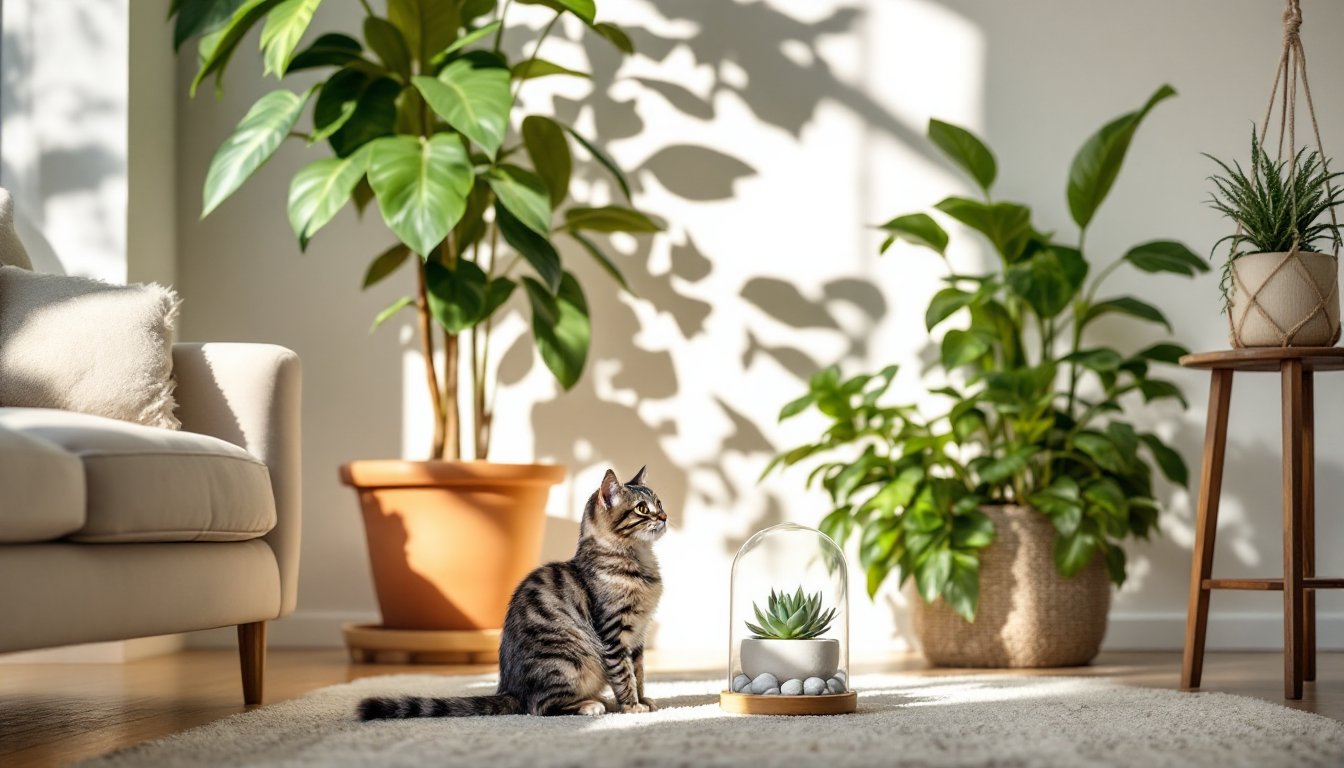
Closed terrariums or glass cloches offer an attractive barrier for smaller plants like succulents or air plants. A bell jar or apothecary cloche keeps cats out while creating a humid microclimate. Just monitor for condensation and mold.
Natural Deterrents and Scent-Based Solutions
Cats rely heavily on scent, and certain smells repel them. These deterrents won’t harm plants or pets, but they require consistent reapplication.
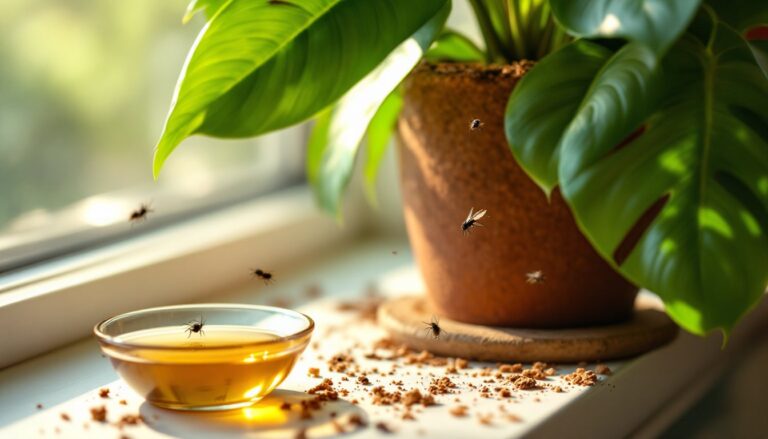
Citrus peels are a classic solution. Cats dislike the smell of lemon, orange, and grapefruit. Place fresh peels on the soil surface, or rub the pot rim with the peel’s interior. Replace every 2 to 3 days as the scent fades. Dried peels lose effectiveness quickly.
Coffee grounds can deter some cats, though results vary by individual. Sprinkle a thin layer of used, dried grounds over the soil. They also add nitrogen as they decompose, which benefits acid-loving plants like ferns and azaleas. Don’t overdo it, thick layers can mold.
Cayenne pepper or chili flakes provide a stronger deterrent. Lightly dust the soil surface or mix into the top inch. Cats hate the smell and won’t dig where they detect it. Reapply after watering. Wear gloves and avoid touching your face, capsaicin burns.
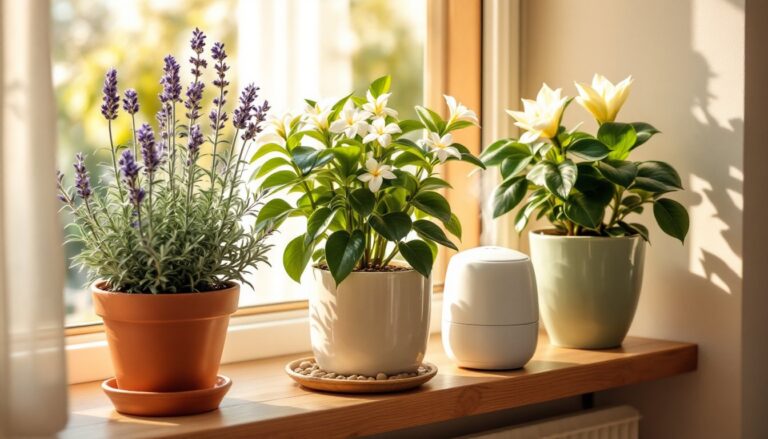
Commercial pet-safe sprays containing bitter apple extract or essential oils (rosemary, lavender, eucalyptus) can be misted onto leaves and soil. Test on a small area first: some plants are sensitive to oils. Reapply weekly or after watering.
Aluminum foil works as both a texture and sound deterrent. Cats dislike the feel and crinkle of foil under their paws. Wrap it around the base of the pot or lay sheets over the soil. It’s not pretty, but it’s effective short-term while training a cat to stay away.
Double-sided tape or sticky mats designed for pets can be placed around pots. Cats hate the sticky sensation and will avoid the area. Use 4-inch-wide carpet tape cut into strips, or buy pre-made sticky paw mats. These work well on shelves or windowsills.
Strategic Plant Placement and Display Techniques
Where you put your plants matters as much as what you do to protect them. Smart placement reduces temptation and limits access.
Rooms with doors offer the simplest solution. If you have a home office, guest bedroom, or den you can close off, keep your plants there. Cats can’t destroy what they can’t reach. Just make sure the room gets adequate light for your plants’ needs.
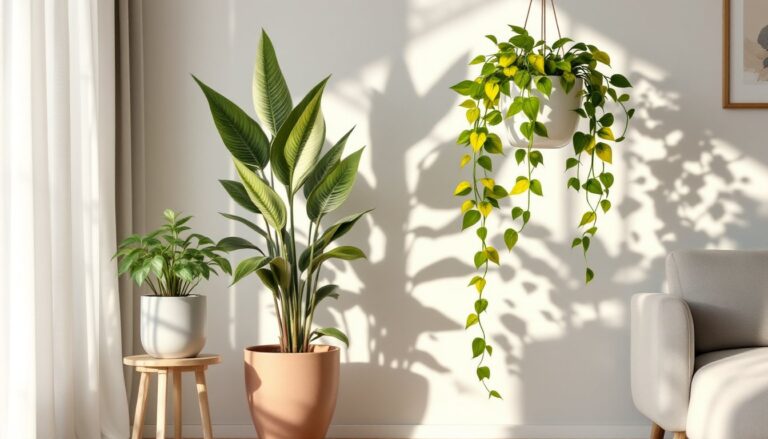
Hanging planters and macramé hangers keep plants out of paw’s reach. Install ceiling hooks rated for 15 to 25 pounds using a stud finder or toggle bolts for drywall. Hang plants at least 4 feet from any furniture or cat perch, cats are creative jumpers. Trailing plants like pothos, philodendron, and string-of-pearls thrive in hanging arrangements.
Behind furniture barriers can limit access. Place large plants behind a sofa, bookshelf, or console table, leaving just enough space for you to water but not enough for a cat to squeeze through. This works best with low-curiosity cats: determined diggers will find a way.
Grouping plants together on a single dedicated stand or cart makes it easier to manage barriers and deterrents. A rolling plant cart also lets you move plants into a closed room at night or when you’re away.
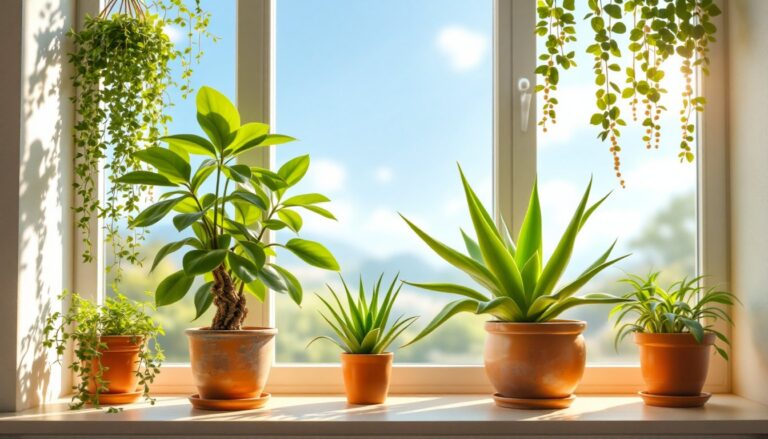
Avoid windowsills at cat eye-level. Cats love windowsills for sunbathing and bird-watching. Placing plants there is asking for trouble. If you must use windowsills, choose high or narrow sills that won’t accommodate a lounging cat.
For a wider range of home decor ideas that can help integrate plant displays into your space, consider furniture designed with built-in plant shelves or enclosed cabinetry, both keep plants visible but inaccessible.
Providing Cat-Friendly Alternatives
Redirecting your cat’s energy is often more effective than outright denial. Give them something better to dig, chew, and explore.
Cat grass is the gold standard. Grow wheatgrass, oat grass, or barley grass in a shallow tray or pot. Cats instinctively seek out greens, and offering a designated plant satisfies that urge. Refresh the grass every 2 to 3 weeks as it gets chewed down. Place it near their favorite lounge spot, not next to the plants you’re trying to protect.
Catnip and cat-safe herbs like valerian, lemongrass, and cat thyme provide mental stimulation. Plant them in sturdy pots your cat can access freely. These plants won’t survive long under feline attention, so treat them as consumables.
DIY digging boxes mimic the appeal of potting soil. Fill a shallow plastic storage bin with play sand, shredded paper, or coconut coir. Bury a few treats or toys to encourage exploration. Place it in a low-traffic area and refresh the material monthly. This is especially useful for cats obsessed with digging.
Interactive toys and puzzle feeders address boredom, a root cause of plant destruction. Rotate toys weekly to keep them novel. Feather wands, laser pointers, and motorized mice burn energy. Treat-dispensing balls engage problem-solving instincts.
Vertical cat furniture gives climbing cats an outlet. A 5- to 6-foot cat tree with multiple perches satisfies the urge to be elevated, reducing interest in climbing to reach high plants. Place the tree near a window for enrichment.
Training and Behavioral Modification Methods
Training a cat takes patience, but it’s possible. Consistency is key, everyone in the household needs to follow the same rules.
Positive reinforcement works better than punishment. When you catch your cat ignoring the plants or walking away from them, immediately reward with a treat or affection. Cats learn through association: if staying away from plants = treats, they’ll repeat the behavior.
Deterrent sprays and motion-activated devices can train cats to avoid certain areas. Motion-activated air sprayers emit a harmless puff of air when a cat approaches. After a few surprises, most cats avoid the area entirely. Place the sensor 2 to 3 feet from the plant and adjust sensitivity to avoid false triggers.
Noise deterrents like a shake can (empty soda can with pennies inside) can startle a cat mid-dig. The moment you see them approach a plant, shake the can. Don’t yell or throw it, just create a sudden, unpleasant sound. Over time, they’ll associate the plants with the noise and stay away.
Redirect immediately when you catch them in the act. Don’t scold, just calmly pick them up and place them near their cat grass or a toy. Reinforce the alternative behavior with praise.
Avoid inconsistency. If you sometimes allow the cat near plants and sometimes don’t, you’ll confuse them and delay progress. Seasonal home improvement projects often involve rearranging plants, maintain your training routine even when layouts change.
Patience and time matter. Behavioral change in cats can take 2 to 6 weeks of consistent effort. If one method isn’t working after two weeks, try a different approach or combine strategies.
Conclusion
Keeping cats out of houseplants isn’t about winning a battle, it’s about creating a home where both can coexist peacefully. Start with physical barriers for immediate relief, layer in scent deterrents for reinforcement, and provide appealing alternatives to redirect natural behaviors. Strategic placement removes temptation, and patient training builds long-term habits. No single method works for every cat or every household, so test combinations and adjust as needed. With a little trial and error, you’ll find the right balance, and your plants will thank you for it.