Table of Contents
ToggleBringing greenery indoors transforms a space, until your dog decides to taste-test your potted ficus. Many popular house plants harbor compounds that range from mildly irritating to downright dangerous for canines. While a nibbled leaf might seem like minor mischief, some species can trigger vomiting, seizures, or organ failure within hours. Homeowners who share their space with dogs need to know which plants pose real risks, how to recognize poisoning symptoms, and which pet-safe alternatives deliver the same aesthetic without the emergency vet visit. This guide cuts through the guesswork with specific plant names, toxicity levels, and practical strategies to keep both your indoor garden and your four-legged family members safe.
Key Takeaways
- House plants toxic to dogs include sago palm, lilies, oleander, and dieffenbachia, which can cause symptoms ranging from oral irritation to organ failure within hours or days.
- Immediate warning signs of plant poisoning in dogs include drooling, swelling of the mouth or throat, vomiting, difficulty swallowing, and abnormal heart rate—call the ASPCA Animal Poison Control Center at 888-426-4435 right away.
- Dogs explore their environment with their mouths, making indoor house plants at nose level a common hazard; smaller dogs and puppies face greater risk from the same plant ingestion.
- Safe alternatives like spider plants, Boston ferns, palms, and African violets deliver the same aesthetic without toxicity risks.
- Pet-proof your indoor plant collection by elevating plants on high shelves or hanging planters, using physical barriers, covering soil with river rocks, and choosing pet-safe fertilizers and pesticides.
- Bored dogs are more prone to chewing plants, so providing puzzle toys, regular exercise, and enrichment activities reduces the likelihood of dangerous plant exploration.
Why Plant Toxicity Matters for Dog Owners
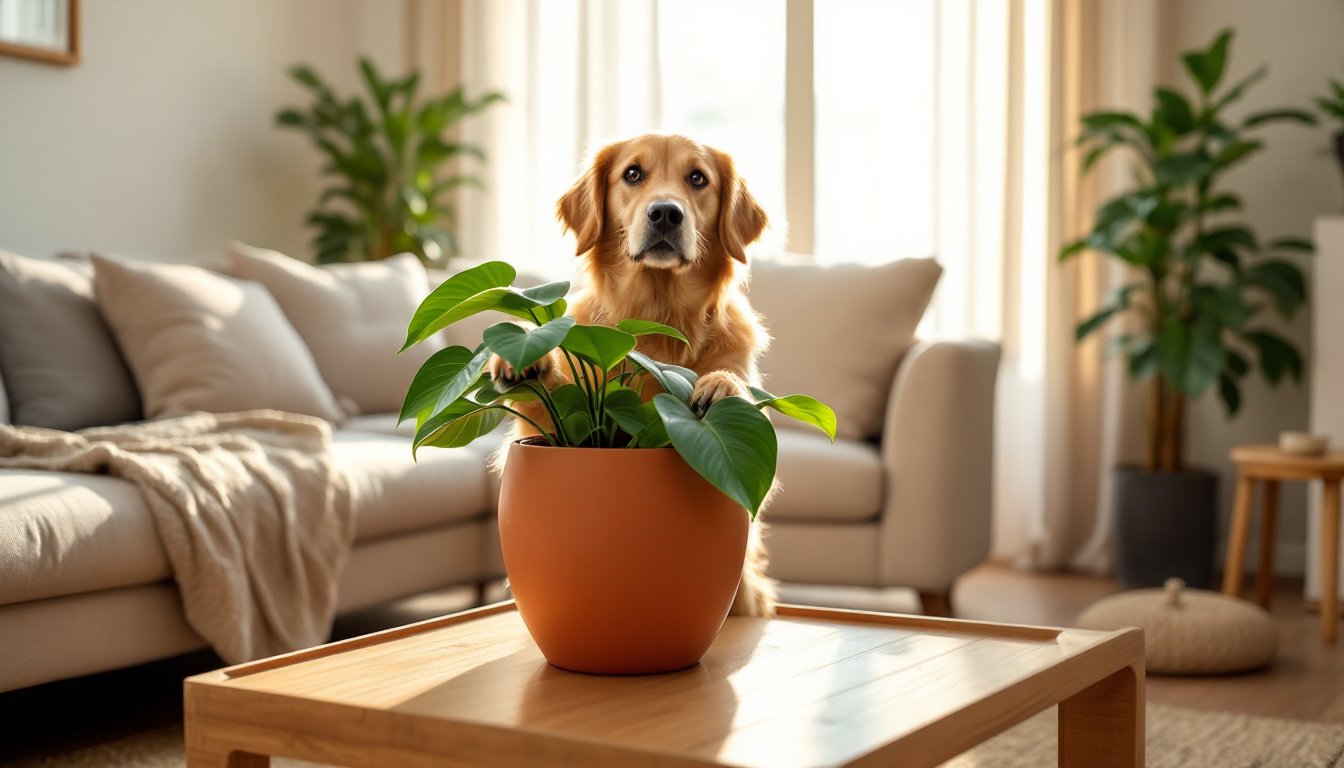
Dogs explore their environment with their mouths, and house plants sit at nose level in most homes. Unlike outdoor vegetation that dogs might avoid instinctively, indoor plants are novelties, new textures, scents, and objects to investigate. Puppies and bored dogs are especially prone to chewing, but even well-trained adults will sometimes sample a dangling leaf or dig in fresh potting soil.
The risk isn’t theoretical. The ASPCA Animal Poison Control Center logs thousands of plant-related calls annually, with lilies, sago palms, and dieffenbachia topping the list. Toxicity mechanisms vary: some plants contain calcium oxalate crystals that cause immediate oral pain and swelling, while others harbor glycosides or alkaloids that disrupt heart rhythm or liver function over hours or days.
Severity depends on the plant species, the amount ingested, and the dog’s size. A ten-pound terrier munching a pothos leaf faces greater risk than a seventy-pound retriever. But even “mildly toxic” plants can cause enough vomiting and diarrhea to require veterinary fluids, turning a decorative choice into a multi-hundred-dollar lesson. Homeowners who plant-proof their space upfront save money, stress, and potential tragedy.
Common House Plants That Are Dangerous for Dogs
Not all toxic plants carry equal danger. Some cause discomfort: others can kill. Knowing the difference helps homeowners prioritize which plants to remove immediately and which to simply relocate.
Highly Toxic Plants That Require Immediate Action
These species can cause life-threatening symptoms and belong nowhere in a home with dogs:
Sago Palm (Cycas revoluta): Every part, seeds, roots, leaves, contains cycasin, a toxin that causes vomiting, bloody diarrhea, and acute liver failure. Ingestion of even one or two seeds can be fatal. There’s no antidote: treatment is supportive and often unsuccessful. If you own a sago palm and a dog, one has to go.
Lilies (Lilium and Hemerocallis species): While most dangerous to cats, certain true lilies cause kidney damage in dogs. Peace lilies (Spathiphyllum) and calla lilies (Zantedeschia) aren’t true lilies but still cause severe oral irritation and swelling. Skip all lily varieties to be safe.
Oleander (Nerium oleander): Contains cardiac glycosides that disrupt heart function. A single leaf can sicken a large dog: symptoms include drooling, abnormal heart rate, tremors, and collapse. Oleander is sometimes sold as a potted ornamental, pass on it.
Autumn Crocus (Colchicum autumnale): Contains colchicine, which causes severe vomiting, gastrointestinal bleeding, liver and kidney damage, and respiratory failure. Symptoms may be delayed by hours, making diagnosis tricky.
Dieffenbachia (Dumb Cane): Packed with calcium oxalate crystals, it causes immediate intense oral pain, drooling, and swelling that can obstruct airways. While rarely fatal, the discomfort is severe and immediate veterinary care is necessary.
Moderately Toxic Plants to Keep Out of Reach
These plants cause discomfort and require a vet visit but are less likely to be fatal with prompt treatment:
Pothos (Epipremnum aureum): Calcium oxalate crystals cause mouth irritation, vomiting, and drooling. Popular as a trailing vine, pothos is easy to hang out of reach.
Philodendron: Similar mechanism to pothos. Symptoms include oral pain, excessive salivation, and difficulty swallowing. Many home decor ideas feature philodendrons due to their low-light tolerance, but dog owners should choose alternatives.
Snake Plant (Sansevieria trifasciata): Contains saponins that cause nausea, vomiting, and diarrhea. Symptoms are usually mild but unpleasant.
Aloe Vera: The gel inside leaves is used medicinally for humans, but the latex layer between skin and gel contains anthraquinones that cause vomiting and diarrhea in dogs. Keep aloe on high shelves or outdoors.
ZZ Plant (Zamioculcas zamiifolia): Calcium oxalate crystals cause oral irritation and stomach upset. It’s drought-tolerant and trendy but not worth the risk for floor placement.
Jade Plant (Crassula ovata): Causes vomiting, lethargy, and incoordination. The toxic principle isn’t well understood, but effects are consistent across cases.
Signs Your Dog Has Ingested a Toxic Plant
Symptoms vary by plant and amount consumed, but certain red flags warrant immediate action. Time matters, some toxins act within minutes, others take hours to show effects.
Immediate symptoms (within minutes to an hour):
- Excessive drooling or foaming at the mouth
- Pawing at the face or mouth
- Visible swelling of lips, tongue, or throat
- Difficulty swallowing or breathing
- Vomiting or retching
- Agitation or whining
Delayed symptoms (hours to days):
- Diarrhea, sometimes bloody
- Lethargy or weakness
- Loss of appetite
- Tremors, seizures, or incoordination
- Abnormal heart rate (too fast, too slow, or irregular)
- Jaundice (yellowing of gums or eyes, indicating liver damage)
- Increased thirst and urination (kidney involvement)
If you witness your dog chewing a plant or find shredded leaves and any of these symptoms appear, call your vet or the ASPCA Animal Poison Control Center (888-426-4435) immediately. Have the plant name ready, take a photo or bring a sample if possible. Don’t wait for symptoms to worsen. Activated charcoal, fluids, or other interventions are most effective when started early.
Do not induce vomiting unless directed by a veterinarian. Some plant toxins cause additional harm coming back up, and inducing vomiting in a dog with oral swelling can trigger aspiration.
Dog-Safe House Plant Alternatives for Every Room
You don’t have to choose between greenery and pet safety. Dozens of non-toxic plants thrive indoors and deliver the same visual impact without the risk.
Spider Plant (Chlorophytum comosum): Produces arching variegated leaves and tiny plantlets. Tolerates neglect and low light. Completely safe if chewed, though the grass-like texture may attract curious dogs.
Boston Fern (Nephrolepis exaltata): Adds lush, feathery texture. Prefers humidity and indirect light. Non-toxic and safe for homes with pets.
Areca Palm (Dypsis lutescens): Offers tropical height and air-purifying qualities. Safe for dogs and cats. Needs bright, indirect light and consistent watering.
Calathea (Prayer Plant): Features bold, patterned foliage. Non-toxic and thrives in medium light with regular moisture. Popular among interior design trends for its striking leaves.
Peperomia (various species): Compact, low-maintenance, and safe. Varieties include watermelon peperomia and ripple peperomia. Tolerates a range of light conditions.
Haworthia: A small succulent resembling aloe but without the toxicity. Easy to care for and pet-safe.
Parlor Palm (Chamaedorea elegans): Adapts to low light and adds vertical interest. Non-toxic and forgiving of irregular watering.
Bamboo Palm (Chamaedorea seifrizii): Another safe palm option. Grows larger than parlor palm and works well as a floor plant.
African Violet (Saintpaulia): Blooms indoors with proper light. Safe for pets and available in multiple colors.
Friendship Plant (Pilea involucrata): Textured leaves and compact growth. Non-toxic and easy to propagate.
When shopping, verify each plant against the ASPCA’s toxic and non-toxic plant database (available online). Nursery labels don’t always note pet safety, and common names can refer to multiple species.
How to Pet-Proof Your Indoor Plant Collection
Even non-toxic plants can cause mild stomach upset if eaten in quantity, and potting soil, fertilizers, and pesticides introduce separate risks. A layered approach keeps dogs and plants coexisting peacefully.
Elevation and barriers: Use wall-mounted shelves, hanging planters with ceiling hooks, or tall plant stands (36 inches or higher) to place plants out of jumping reach. Macramé hangers work for trailing plants like spider plants and Boston ferns. Ensure hooks are anchored into ceiling joists or wall studs rated for the pot’s weight, drywall anchors alone won’t hold a saturated 10-inch ceramic pot.
Physical deterrents: Decorative garden fencing or plant cages can encircle floor plants. These won’t stop a determined digger but discourage casual sniffing. For puppies, exercise pens create a buffer zone around plant clusters.
Taste deterrents: Bitter apple spray or similar pet-safe formulas can be misted on lower leaves. Reapply after watering. Effectiveness varies, some dogs don’t mind the taste.
Soil protection: Dogs dig in potting mix for fun or to bury toys. Cover soil surface with decorative river rocks (1–2 inches diameter) or chicken wire cut to pot size and tucked under the soil surface. Rocks should be large enough that they can’t be swallowed.
Fertilizer and pesticide safety: Use organic, pet-safe fertilizers and store all garden chemicals in locked cabinets. Granular fertilizers can look like kibble to a dog. Liquid fertilizers should be applied when the dog is out of the room, and the soil should dry before allowing access.
Training and supervision: Teach a solid “leave it” command and reward the dog for ignoring plants. Redirect chewing to appropriate toys. Crate young dogs or use baby gates to restrict access to plant-heavy rooms when unsupervised.
Distraction and enrichment: Bored dogs chew. Provide puzzle toys, chew bones, and regular exercise. A tired dog is less likely to explore the fiddle-leaf fig. Many gardening guides suggest rotating toys weekly to maintain novelty.
Immediate cleanup: Remove fallen leaves, spent flowers, and trimmings promptly. Decomposing plant matter can harbor mold or increase temptation.
If you’re introducing a new plant, monitor your dog’s behavior for the first few days. Some dogs ignore plants entirely: others fixate. Adjust placement based on your dog’s personality and past behavior. The safest home is one where toxic plants are entirely absent, non-toxic plants are elevated or barricaded, and the dog has plenty of appropriate outlets for their energy and curiosity.