Table of Contents
ToggleIndoor plants can turn a sterile room into a living, breathing space, but not everyone has the time or inclination to fuss over finicky ferns. If you’ve ever killed a houseplant (or ten), you’re not alone. The good news? There’s a whole category of indoor plants that thrive on benign neglect, tolerate low light, and forgive inconsistent watering. These aren’t temperamental orchids or moisture-sensitive tropicals: they’re the workhorses of indoor greenery. Whether you’re outfitting a dim apartment or just want something green that won’t die while you’re on vacation, low-maintenance indoor plants deliver without demanding a horticulture degree.
Key Takeaways
- Easy care plants like snake plant, pothos, and ZZ plant thrive on neglect and tolerate low light, making them perfect for busy schedules and challenging spaces.
- Overwatering is the number one killer of indoor plants, so use the finger test and only water when the top 2–3 inches of soil are completely dry.
- Easy care indoor plants improve air quality by filtering VOCs and adding humidity to dry indoor air, while providing aesthetic appeal without requiring a horticulture degree.
- Proper drainage is essential: always use pots with drainage holes and well-draining potting soil to prevent root rot, the most common cause of plant failure.
- Even low-maintenance plants need some ambient light and basic care like quarterly rotation, occasional dusting, and light fertilizing during growing season to thrive long-term.
Why Choose Low-Maintenance Indoor Plants?
Low-maintenance plants aren’t just for lazy gardeners, they’re a practical choice for anyone balancing a busy schedule, limited natural light, or unpredictable routines. These plants have evolved to survive harsh conditions in their native habitats, which translates to resilience indoors. They tolerate irregular watering, adapt to lower light levels, and generally shrug off the kind of environmental inconsistencies that would kill more delicate species.
From a home improvement perspective, easy-care plants offer functional benefits beyond aesthetics. They improve indoor air quality by filtering common volatile organic compounds (VOCs) like formaldehyde and benzene, though you’d need a small forest to replace mechanical ventilation. They also add humidity to dry indoor air, which is particularly useful in homes with forced-air heating.
For renters or homeowners working with challenging spaces, north-facing rooms, windowless bathrooms, or basements with minimal daylight, low-maintenance plants are often the only viable option. They don’t require grow lights or elaborate watering schedules, and most can go weeks between waterings without drama. That flexibility makes them ideal for weekend warriors who spend more time on the jobsite than the windowsill.
Top 10 Easy Care Indoor Plants for Beginners
Here are ten proven indoor plants that tolerate neglect, adapt to a range of light conditions, and recover from the occasional watering lapse. Each offers distinct growth habits and aesthetic qualities, so you can match the plant to your space and design preferences.
Snake Plant: The Ultimate Hands-Off Houseplant
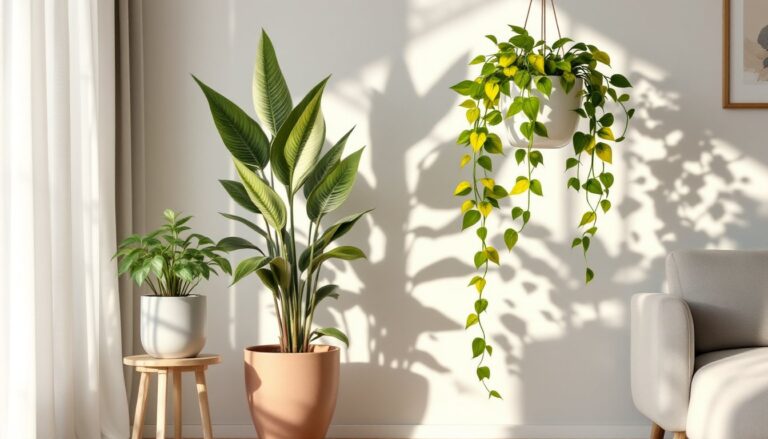
Snake plant (Sansevieria trifasciata, also sold as Dracaena trifasciata) is the gold standard for low-maintenance greenery. Its thick, upright leaves store water like a succulent, allowing it to survive weeks, even a month or more, without watering. It tolerates low light, though it grows faster in bright, indirect light. Snake plants are also one of the few houseplants that release oxygen at night, making them a solid choice for bedrooms.
Place snake plants in well-draining potting mix (cactus or succulent mix works well). Overwatering is the main killer: the roots rot quickly in soggy soil. Water only when the top 2–3 inches of soil are completely dry. These plants handle a wide temperature range and aren’t fussy about humidity. Variegated varieties (with yellow or white striping) need slightly more light to maintain their patterns.
Safety note: Snake plants contain saponins, which are mildly toxic to pets and children if ingested. Keep them out of reach if you have curious cats or toddlers.
Pothos: The Forgiving Trailing Favorite
Pothos (Epipremnum aureum) is nearly indestructible and propagates easily from cuttings, making it a favorite for both beginners and experienced plant keepers. Its trailing vines can reach 10 feet or more indoors, and it adapts to everything from low fluorescent office lighting to bright, filtered sun. Pothos tolerates erratic watering and will visibly wilt when thirsty, a clear signal it’s time to water, then perk up within hours of a drink.
Golden pothos (green leaves with yellow variegation) is the most common variety, but marble queen, neon, and jade pothos offer different color palettes. All perform similarly. Pothos thrives in standard potting soil and prefers to dry out slightly between waterings. It’s also one of the top performers in studies on indoor air purification, removing pollutants like formaldehyde and xylene.
Like snake plants, pothos is toxic to pets due to calcium oxalate crystals. Hang it in a basket or place it on a high shelf if you have animals that chew on greenery.
ZZ Plant: Thrives on Neglect
ZZ plant (Zamioculcas zamiifolia) has thick, waxy leaves and tuberous roots that store water, making it one of the most drought-tolerant houseplants available. It tolerates low light better than almost any other plant and can go a month or longer without water. ZZ plants grow slowly, which means less frequent repotting and minimal maintenance.
Plant ZZ in well-draining soil and water sparingly, only when the soil is completely dry several inches down. Yellowing leaves usually indicate overwatering, not underwatering. This plant also tolerates fluorescent lighting, making it a go-to for offices and interior rooms with no windows.
ZZ plant sap can cause skin irritation in sensitive individuals, so wear gloves when handling or repotting. It’s also toxic if ingested.
Additional Easy-Care Varieties:
-
Spider Plant (Chlorophytum comosum): Produces cascading offshoots (spiderettes) that root easily. Tolerates a range of light and watering conditions. Non-toxic to pets.
-
Cast Iron Plant (Aspidistra elatior): Named for its toughness. Survives low light, irregular watering, and temperature swings. Slow-growing but nearly unkillable.
-
Rubber Plant (Ficus elastica): Bold, glossy leaves and upright growth. Prefers bright, indirect light but adapts to moderate light. Water when the top inch of soil is dry.
-
Philodendron: Similar care to pothos. Heartleaf philodendron is a compact trailing variety: split-leaf philodendron (Monstera) offers a more dramatic look but needs more space.
-
Dracaena: Multiple species (marginata, fragrans, compacta) with varying leaf shapes and colors. Tolerates low light and irregular watering. Slow-growing and long-lived.
-
Peace Lily (Spathiphyllum): Blooms white flowers even in low light. Wilts dramatically when dry but recovers quickly. Prefers consistently moist (not wet) soil.
-
Aloe Vera: Succulent with medicinal sap. Requires bright light and infrequent watering. Well-draining soil is essential to prevent root rot.
Essential Care Tips for Easy Indoor Plants
Even low-maintenance plants have baseline needs. Here’s how to set them up for success without turning plant care into a second job.
Light:
Most easy-care plants tolerate low to moderate light, but “low light” doesn’t mean no light. A room with a north-facing window or artificial lighting (fluorescent or LED) usually provides enough. If a plant is stretching toward the light source (etiolation) or losing variegation, it needs more brightness. Rotate plants quarterly to promote even growth.
Watering:
Overwatering kills more houseplants than underwatering. Use pots with drainage holes and empty saucers after watering to prevent roots from sitting in standing water. The finger test works: stick your finger 2 inches into the soil. If it’s dry, water thoroughly until it drains out the bottom. If it’s damp, wait.
Water quality matters in some regions. Tap water with high chlorine, fluoride, or mineral content can cause leaf tip burn in sensitive plants like spider plants and dracaena. Let tap water sit overnight to off-gas chlorine, or use filtered water.
Soil and Potting:
Use a well-draining potting mix, not garden soil. Standard all-purpose potting soil works for most plants: succulents and cacti need a specialized mix with added perlite or sand. Repot when roots are circling the pot or growing through drainage holes, usually every 2–3 years for slow growers.
Pot size matters. A pot that’s too large holds excess moisture and increases the risk of root rot. Go up one size (1–2 inches in diameter) when repotting.
Humidity and Temperature:
Most low-maintenance plants tolerate typical indoor humidity (30–50%) and temperatures between 60–75°F. Avoid placing plants near heating vents, air conditioners, or drafty windows. If leaf tips brown even though proper watering, low humidity may be the culprit. Group plants together or use a pebble tray (a shallow dish filled with water and pebbles) to raise local humidity.
Feeding:
Low-maintenance plants are light feeders. Fertilize during the growing season (spring and summer) with a balanced, water-soluble fertilizer diluted to half strength. Once a month is plenty. Skip fertilizing in fall and winter when growth slows.
Cleaning:
Dust blocks light and reduces photosynthesis. Wipe leaves with a damp cloth every few weeks or rinse plants in the shower. This also helps control pests like spider mites and mealybugs, which thrive on dusty, stressed plants.
Pest Management:
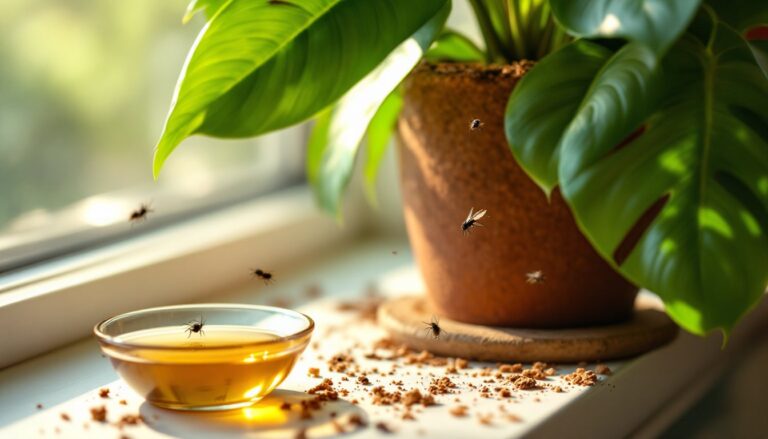
Even easy-care plants can attract pests. Inspect new plants before bringing them indoors. Quarantine them for a week or two to catch any hitchhiking bugs. If you spot pests, isolate the plant and treat with insecticidal soap or neem oil. For persistent infestations, some gardening resources recommend systemic treatments, but always follow label instructions and wear gloves.
Common Mistakes to Avoid with Low-Maintenance Plants
Even the toughest plants have limits. Here are the most common missteps and how to avoid them.
Overwatering:
This is the number one killer. “Low-maintenance” doesn’t mean “water weekly.” Most easy-care plants prefer to dry out between waterings. If leaves turn yellow and mushy, or if you smell a sour odor from the soil, you’re overwatering. Cut back immediately and consider repotting in fresh, dry soil if root rot has set in.
Using Pots Without Drainage:
Decorative pots without drainage holes are a setup for failure. Either drill a hole (use a masonry bit for ceramic pots) or use the pot as a cachepot, a decorative cover for a nursery pot with drainage. Always remove standing water from saucers or cachepots after watering.
Ignoring Acclimation:
Plants need time to adjust when moving from a greenhouse to your home. Expect some leaf drop or browning as the plant acclimates to lower light and different humidity. Don’t panic and overcompensate with extra water or fertilizer. Give it a few weeks to settle in.
Skipping Repotting:
Rootbound plants struggle to absorb water and nutrients. If water runs straight through the pot without soaking in, or if roots are densely packed and circling, it’s time to repot. Spring is the best time, just before the growing season kicks in.
Placing Plants in Zero-Light Zones:
No plant thrives in a windowless, unlit closet. Even low-light plants need some ambient light. If natural light is truly unavailable, supplement with a full-spectrum LED grow light on a timer (12–14 hours per day).
Fertilizing Too Much:
More is not better. Excess fertilizer causes salt buildup in the soil, leading to brown leaf tips and edges. If you see white crust on the soil surface, flush the pot with water (run water through until it drains out) to leach out salts, then reduce feeding frequency.
Ignoring Toxicity:
Many common houseplants are toxic to pets and children. Know what you’re bringing home. Non-toxic alternatives include spider plants, Boston ferns, and most succulents (except jade). If you have pets, check the ASPCA’s plant database or opt for confirmed pet-safe varieties.
For more ideas on integrating greenery into your home design, resources like country-style plant displays offer practical inspiration for arranging plants in kitchens, entryways, and living spaces without sacrificing functionality.
Low-maintenance indoor plants aren’t just about survival, they’re about thriving with minimal fuss. Stick to the basics, resist the urge to over-tend, and you’ll have green, healthy plants that improve your home’s air, aesthetics, and livability without demanding a botany degree.