Table of Contents
ToggleBringing plants indoors transforms a home, they clean the air, add life to corners, and give you something to care for. But if you’ve got cats, that calming Boston fern or trendy fiddle leaf fig might be a liability. Cats chew, nibble, and knock things over, and some common house plants can cause anything from mild stomach upset to serious poisoning. The good news? There’s a solid lineup of cat safe house plants that look great, require minimal fuss, and won’t send you to the emergency vet. This guide covers the best indoor plants safe for cats, the toxic ones to avoid, and how to set up a green space that works for both you and your curious feline.
Key Takeaways
- Cat safe house plants like spider plants, Boston ferns, and parlor palms provide greenery without the risk of toxic poisoning that comes from lilies, pothos, and dieffenbachia.
- Elevating plants on shelves or hanging planters, providing cat grass, and using deterrents like citrus spray help protect both your cat and your indoor garden from damage and unwanted chewing.
- Lilies and sago palms are extremely dangerous to cats and can cause kidney failure or death—contact the ASPCA Animal Poison Control Center immediately if ingestion is suspected.
- Low-maintenance cat-friendly plants indoor such as peperomia, cast iron plants, and haworthia thrive in various light conditions while tolerating irregular watering and cat interaction.
- Covering soil with river rocks, using heavy pots with stable bases, and rotating plants periodically discourage digging, territorial marking, and reduce your cat’s interest in repeated destructive behavior.
Why Choosing Cat Safe Plants Matters for Your Home
Cats are curious, and they’ll chew on plants for reasons ranging from boredom to digestive instinct. Unlike dogs, cats groom themselves constantly, so anything on their paws or fur ends up in their system. A toxic plant might cause drooling, vomiting, or diarrhea in mild cases. Severe reactions include difficulty breathing, irregular heartbeat, or kidney failure, especially with lilies, which are extremely dangerous to cats.
The ASPCA maintains a comprehensive toxicity database, and it’s worth checking before you buy. But identifying cat safe indoor plants upfront saves you the worry. Non toxic indoor plants for cats don’t contain the alkaloids, glycosides, or saponins that trigger poisoning. They might still cause minor stomach upset if eaten in bulk, cats aren’t meant to be herbivores, but they won’t land your pet in critical care.
From a practical standpoint, choosing cat friendly plants indoor also protects your investment. Cats will bat at hanging vines, dig in soil, and use large pots as nap spots. If you’re investing in greenery, pick species that can handle the abuse and won’t require constant vigilance or emergency plant replacement.
Top Pet-Friendly House Plants That Are Safe for Cats
Here are 15 proven house plants safe for cats, organized by care level and visual impact. All are confirmed non-toxic by the ASPCA and widely available at nurseries or big-box stores.
Low-Maintenance Cat Safe Options for Busy Homeowners
These indoor plants cat safe varieties tolerate irregular watering, low light, and general neglect, ideal if you travel or forget to water.
Spider Plant (Chlorophytum comosum): Produces arching green-and-white striped leaves and small plantlets on runners. Thrives in indirect light, tolerates dry soil. Cats love batting the dangling babies, but the plant’s non-toxic and rebounds quickly. Grows well in hanging baskets or on shelves.
Boston Fern (Nephrolepis exaltata): Classic lush green fronds, prefers humidity but adapts to average indoor conditions. Keep soil consistently moist but not soggy. Non-toxic and safe if nibbled. Works well in bathrooms with natural light.
Areca Palm (Dypsis lutescens): Feathery, tropical-looking fronds that reach 6–7 feet indoors. Prefers bright, indirect light and regular watering. Safe for cats and adds a statement without taking up much floor space. Also called butterfly palm.
Peperomia (Peperomia spp.): Compact, waxy leaves in green, red, or variegated patterns. Low water needs, let soil dry between waterings. Grows 6–12 inches tall. Perfect for desks, counters, or small pots. Dozens of varieties, all cat friendly house plants.
Parlor Palm (Chamaedorea elegans): Slow-growing, shade-tolerant palm that stays under 4 feet indoors. Water when the top inch of soil is dry. Safe for cats and one of the best choices for low light areas where other plants struggle.
Calathea (Calathea spp.): Striking patterned foliage in shades of green, purple, and cream. Prefers indirect light and high humidity, mist regularly or use a pebble tray. Non-toxic and dramatic enough to serve as a centerpiece.
Statement Plants That Add Style Without the Risk
These cat safe plants indoor options have visual impact and work as focal points in living rooms, entryways, or bright corners.
Ponytail Palm (Beaucarnea recurvata): Not a true palm, it’s a succulent with a thick, bulbous trunk and long, cascading leaves. Tolerates neglect, low water, and bright light. Grows slowly, eventually reaching 3–4 feet. Cats may chew the leaves, but it’s non-toxic.
Prayer Plant (Maranta leuconeura): Oval leaves with red veins and dark green patterns that fold up at night. Prefers indirect light and consistent moisture. Cat safe and compact, ideal for tabletops or hanging planters.
Bromeliad (Bromeliaceae family): Tropical, rosette-shaped plants with colorful central flowers that last months. Prefer bright, indirect light and infrequent watering (water the central cup). Safe for cats and low-maintenance once established.
Haworthia (Haworthia spp.): Small, sculptural succulents with thick, pointed leaves. Require minimal water, once every 2–3 weeks, and bright light. Non-toxic and perfect for sunny windowsills or small dish gardens.
Polka Dot Plant (Hypoestes phyllostachya): Bright pink, red, or white-spotted leaves on compact stems. Grows quickly in bright, indirect light. Pinch back regularly to encourage bushiness. Cat safe and adds a pop of color to shelves or desk spaces.
African Violet (Saintpaulia spp.): Classic blooming houseplant with fuzzy leaves and flowers in purple, pink, or white. Prefers bright, indirect light and consistent moisture (bottom watering works best). Non-toxic and blooms repeatedly with proper care.
Cast Iron Plant (Aspidistra elatior): Nearly indestructible, tolerates low light, dry air, and irregular watering. Dark green, leathery leaves grow 1–2 feet tall. Safe for cats and ideal for corners, hallways, or rooms with minimal natural light.
Friendship Plant (Pilea involucrata): Textured, quilted leaves with bronze or silver tones. Prefers bright, indirect light and consistent moisture. Compact growth habit (under 12 inches). Non-toxic and propagates easily from stem cuttings.
Baby Tears (Soleirolia soleirolii): Tiny, delicate leaves on trailing stems. Prefers high humidity and consistent moisture, works well in terrariums or as ground cover in larger pots. Cat safe and adds a soft, mossy texture to arrangements.
These cat friendly indoor plants cover a range of light conditions, watering schedules, and design styles. Whether you need something for a dim bathroom or a sunny living room, there’s a non-toxic option that fits.
Common Toxic House Plants to Avoid If You Have Cats
Even one nibble of certain plants can cause serious harm. Remove these from your home or keep them in rooms cats can’t access.
Lilies (Lilium and Hemerocallis spp.): All parts, flowers, leaves, pollen, are extremely toxic. Even small ingestions cause acute kidney failure. This includes Easter lilies, tiger lilies, and daylilies. If your cat chews a lily, get to a vet immediately.
Pothos (Epipremnum aureum): Popular trailing vine with heart-shaped leaves. Contains calcium oxalate crystals that cause oral irritation, drooling, vomiting, and difficulty swallowing. Also called devil’s ivy.
Philodendron (Philodendron spp.): Similar toxicity to pothos, calcium oxalates cause mouth pain and digestive upset. Common in hanging baskets and floor pots.
Sago Palm (Cycas revoluta): Looks like a small palm but is highly toxic. All parts contain cycasin, which causes liver failure. Ingestion is often fatal without aggressive treatment.
Dieffenbachia (Dieffenbachia spp.): Also called dumb cane. Contains calcium oxalates that cause severe oral pain, drooling, and swelling. Large ingestions can obstruct airways.
Snake Plant (Sansevieria trifasciata): Tough, upright succulent. Contains saponins that cause nausea, vomiting, and diarrhea. Not usually fatal but uncomfortable.
Jade Plant (Crassula ovata): Succulent with thick, oval leaves. Toxic to cats, causes vomiting, lethargy, and incoordination. Mechanism of toxicity is not fully understood.
Aloe Vera (Aloe barbadensis): Gel is safe topically for humans, but the plant contains saponins and anthraquinones toxic to cats. Causes vomiting, diarrhea, and lethargy.
If you suspect your cat has eaten a toxic plant, contact the ASPCA Animal Poison Control Center (888-426-4435) or your vet immediately. Bring a sample of the plant if possible. Time matters, early intervention improves outcomes significantly.
Tips for Creating a Cat-Friendly Indoor Garden
Even with non toxic indoor plants for cats, you’ll want to discourage chewing and digging. Cats explore with their mouths, and too much plant material can still cause mild stomach upset.
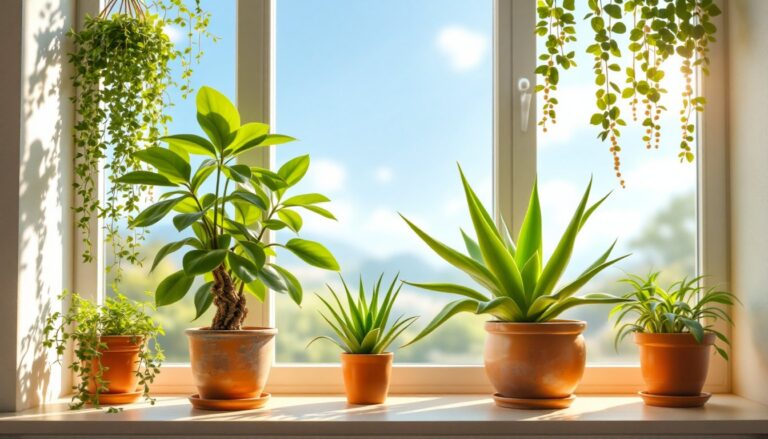
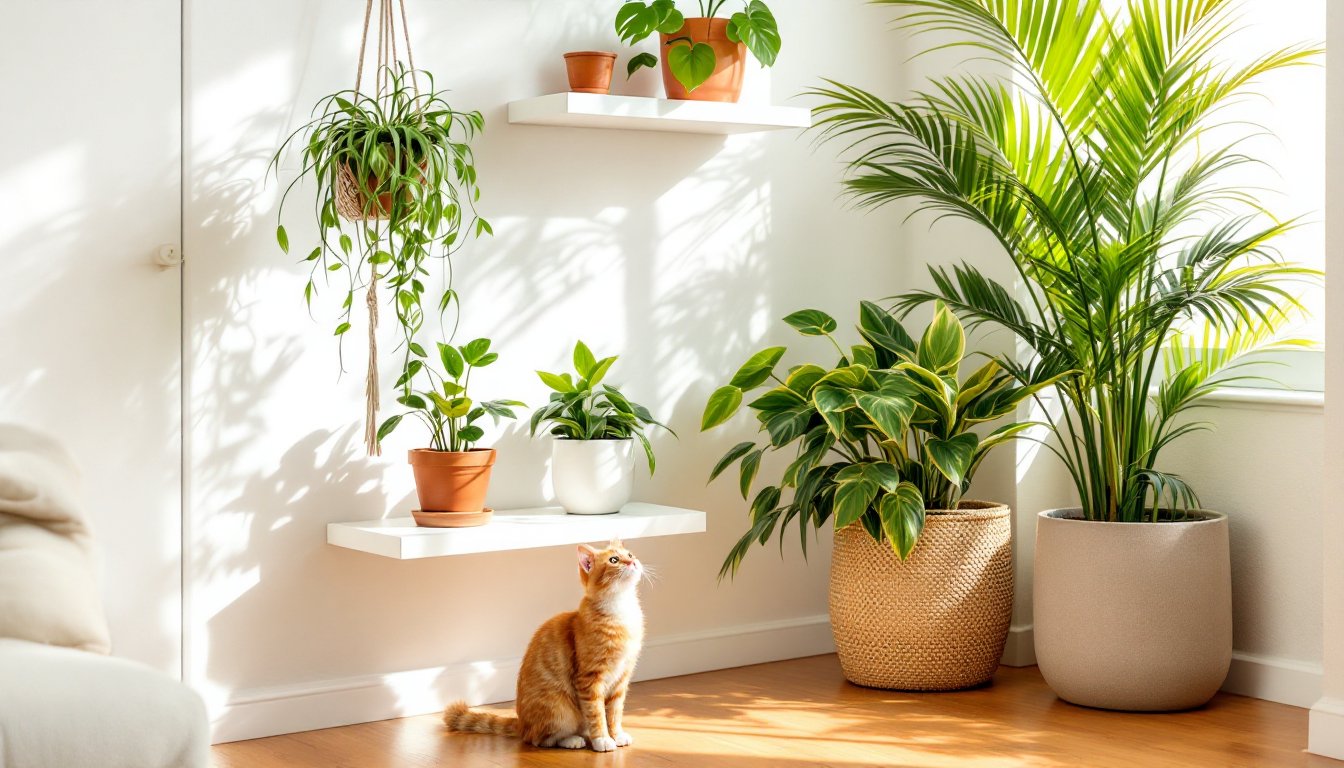
Elevation and Placement: Use wall-mounted shelves, hanging planters, or tall plant stands to keep greenery out of easy reach. Cats can jump, but they’re less likely to bother plants that require effort. Macramé hangers work well for trailing plants like spider plants or baby tears. Avoid placing plants on surfaces cats use as walkways or nap spots.
Provide Alternative Greens: Grow a dedicated cat grass tray (wheat, oat, or barley grass). Cats chew grass to aid digestion or out of curiosity. A designated patch gives them an outlet and may reduce interest in your houseplants. Refresh the tray every 2–3 weeks.
Soil Protection: Cats dig in potting soil, which makes a mess and damages roots. Cover soil with decorative river rocks, large pebbles, or chicken wire cut to fit the pot. This also prevents litter-box confusion, some cats mistake large pots for alternate bathrooms.
Deterrents: Citrus peels, diluted lemon juice spray, or commercial pet deterrent sprays can make plants less appealing. Reapply after watering. Double-sided tape around pot rims discourages paw exploration. Aluminum foil works too, cats dislike the texture and sound.
Rotate and Refresh: Move plants periodically to reduce territorial marking or habitual chewing. Cats are creatures of routine, and changing the environment breaks patterns. This also helps you identify which plants your cat ignores versus which ones attract attention.
Monitor and Supervise: Watch your cat’s behavior around new plants. Some cats have zero interest in greenery: others treat every leaf like a toy. If a cat repeatedly targets a specific plant, relocate it or swap it out for something less attractive.
Drainage and Safety: Use pots with drainage holes and saucers to prevent water buildup, which can lead to mold or root rot. Overwatered soil attracts fungus gnats, which cats may try to hunt. Stable pots are critical, lightweight or top-heavy pots tip easily when cats jump or rub against them. For large floor plants, use heavy ceramic or terra cotta pots with wide bases.
These strategies work for most cats, but individual personalities vary. Some cats ignore plants entirely: others are relentless. Adjust your approach based on your cat’s habits, and don’t hesitate to rehome a plant if it becomes a persistent problem.
Conclusion
You don’t have to choose between greenery and your cat’s safety. Plenty of what house plants are safe for cats also look great and require minimal care. Start with low-maintenance options like spider plants or Boston ferns, elevate or protect your pots, and keep toxic species out of your home entirely. With a little planning, you’ll have a thriving indoor garden that both you and your cat can enjoy without worry.