Table of Contents
ToggleCacti aren’t just for desert landscaping anymore. These low-maintenance plants have become a staple in indoor gardens, offering architectural form and surprising variety with minimal fuss. Unlike most houseplants that demand constant attention, cacti thrive on neglect, perfect for beginners or anyone who’s killed a fern. But “low-maintenance” doesn’t mean zero care. Understanding their native habitat and translating those conditions indoors makes the difference between a thriving cactus and a rotting disappointment. This guide covers everything from selecting the right species to avoiding the most common care mistakes that even experienced plant owners make.
Key Takeaways
- Cactus house plants are ideal for beginners and busy homeowners because they thrive on neglect, requiring water only every 10–21 days during the growing season.
- The number-one killer of indoor cacti is overwatering; these desert plants evolved to store water and need soil that drains completely to prevent fatal root rot.
- Most cacti require 4–6 hours of direct sunlight daily from a south-facing window, and insufficient light causes weak, stretched growth that cannot be reversed.
- Best indoor varieties include Christmas cactus, bunny ears cactus, and Mammillaria species, while saguaro and other large desert types are impractical for homes.
- Use a specialized fast-draining cactus soil mix with pots that have drainage holes, and fertilize sparingly with low-nitrogen formulas only in spring and midsummer.
- Create flexible indoor displays with shallow bowl gardens, wall planters, or tiered shelving arrangements that showcase multiple species while requiring minimal ongoing maintenance.
Why Cactus House Plants Are Perfect for Your Home
Cacti bring several practical advantages to indoor spaces. First, they’re drought-tolerant by design. Their water-storing stems evolved to survive months without rain, which translates to a watering schedule measured in weeks, not days. Forget to water for two weeks? Most cacti won’t even notice.
Second, they’re space-efficient. Unlike sprawling pothos or fiddle-leaf figs, cacti maintain compact footprints. A 4-inch pot on a windowsill or a cluster on a bookshelf provides visual interest without monopolizing floor space, ideal for apartments or small rooms.
Third, cacti improve indoor air quality. Like other plants, they absorb carbon dioxide and release oxygen, but some species (particularly those in the Opuntia and Cereus families) continue this process at night through CAM photosynthesis. This makes them suitable for bedrooms where most plants would compete for oxygen after dark.
Finally, they’re pest-resistant. The combination of thick, waxy skin and defensive spines deters most common houseplant pests like aphids and spider mites. You’ll rarely need insecticidal soap or neem oil treatments that other indoor plants require regularly.
From a design perspective, cacti offer sculptural form. Their geometric shapes, columns, spheres, paddles, and clusters, add textural contrast to softer elements like upholstery and curtains. They work in modern, mid-century, Southwestern, and even industrial interiors without looking forced.
Best Cactus Varieties for Indoor Growing
Not all cacti adapt well to indoor life. These varieties tolerate lower light levels and confined root zones better than their desert counterparts.
Saguaro cactus (Carnegiea gigantea) is iconic but impractical indoors, it grows 40+ feet tall outdoors. Skip it unless you’re growing a seedling as a novelty.
Bunny ears cactus (Opuntia microdasys) produces flat, paddle-shaped pads covered in golden or white glochids (tiny hairlike spines). It stays manageable at 2-3 feet tall indoors and tolerates average household humidity. Wear leather gloves when handling: those glochids embed in skin easily and irritate for days.
Old man cactus (Cephalocereus senilis) grows white, hair-like spines that give it a fuzzy appearance. It reaches 3-4 feet indoors over several years and prefers bright, indirect light. The “hair” is actually modified spines, still sharp underneath.
Christmas cactus (Schlumbergera bridgesii) isn’t a true desert cactus: it’s an epiphyte from Brazilian rainforests. It needs more frequent watering and blooms in winter with tubular flowers in pink, red, or white. This one’s forgiving for beginners who tend to overwater.
Golden barrel cactus (Echinocactus grusonii) forms a sphere of ribbed, yellow-spined beauty. It grows slowly to about 12 inches in diameter indoors and needs full sun. Many experienced growers consider handling succulents and cacti easier when they understand each species’ specific growth patterns and native habitats.
Fishhook cactus (Mammillaria) species stay small (4-6 inches) and produce rings of pink or white flowers in spring. They’re perfect for grouping in shallow containers.
Prickly pear (Opuntia varieties) adapt to pots but grow aggressively outdoors. Indoors, choose dwarf cultivars and provide strong light to prevent etiolation (stretching).
Essential Care Requirements for Indoor Cacti
Light and Temperature Needs
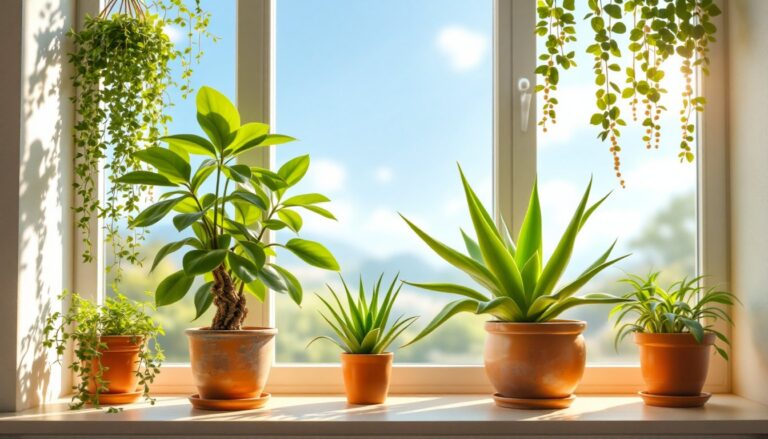
Most cacti need 4-6 hours of direct sunlight daily. South-facing windows provide the best exposure in the Northern Hemisphere. If you notice your cactus leaning toward the light or developing pale, stretched growth, it’s not getting enough sun.
West-facing windows work for varieties that tolerate bright indirect light (Christmas cactus, some Mammillaria species). East-facing windows provide gentler morning sun, adequate for young cacti but insufficient for mature specimens.
North-facing windows rarely provide enough light. If that’s your only option, supplement with a full-spectrum LED grow light positioned 6-12 inches above the plant for 12-14 hours daily.
Temperature-wise, cacti tolerate a wide range: 50-90°F during active growth. Most appreciate a winter dormancy period with cooler temps (50-55°F) and reduced watering. This signals flowering in spring for many species.
Avoid placing cacti near heating vents, radiators, or drafty exterior doors. Sudden temperature swings stress plants and invite rot.
Watering and Soil Guidelines
The number-one killer of indoor cacti is overwatering. These plants evolved to store water in their tissues, not absorb it constantly through roots.
During the growing season (spring through early fall): Water when the soil is completely dry 1-2 inches below the surface. For a 4-inch pot, that’s roughly every 10-14 days. For 6-8 inch pots, every 14-21 days. Use your finger or a moisture meter, never guess.
When you water, drench thoroughly until water runs from the drainage holes. This mimics the flash floods cacti experience in nature. Let excess water drain completely: never leave pots sitting in saucers of water.
During dormancy (late fall through winter): Reduce watering to once a month or less. Some growers don’t water at all from November through February. The plant will look slightly shriveled, that’s normal.
Soil must drain fast. Regular potting mix retains too much moisture. Use a commercial cactus mix (usually contains sand, perlite, and pine bark) or make your own:
- 2 parts potting soil
- 1 part coarse sand (not playground sand)
- 1 part perlite or pumice
Pots must have drainage holes. Clay pots breathe better than plastic and help prevent overwatering, but they dry out faster, adjust your schedule accordingly. Interior design choices for container gardening often emphasize decorative pots, but functionality trumps aesthetics with cacti.
Fertilize sparingly. Use a diluted (half-strength) liquid fertilizer formulated for cacti once in spring and once in midsummer. High nitrogen levels promote weak, leggy growth. Look for formulas with an N-P-K ratio around 2-7-7 or similar low-nitrogen blends.
Common Mistakes to Avoid with Cactus House Plants
Overwatering tops the list. Cacti evolved to survive drought, not sit in damp soil. Rotted roots turn black and mushy. Once rot sets in, it’s usually fatal. If you catch it early, you can sometimes save the plant by cutting away diseased tissue with a sterile knife, letting the wound callus for several days, and replanting in fresh, dry soil.
Using pots without drainage is essentially a death sentence. Water collects at the bottom, creating anaerobic conditions where root rot thrives. Drill holes yourself if you fall in love with a pot that lacks them, or use it as a decorative cachepot with a properly draining inner pot.
Insufficient light causes etiolation. The cactus stretches toward the light source, developing thin, pale growth that’s weak and prone to breaking. This can’t be reversed, you’ll need to propagate healthy portions and start over with better light.
Ignoring dormancy prevents flowering and weakens the plant long-term. Cacti need a rest period with cooler temps and less water. If your home stays warm year-round, at minimum reduce watering frequency in winter.
Handling without protection leads to painful encounters with spines and glochids. Always use thick leather gloves or folded newspaper to handle spiny species. Keep tweezers and duct tape handy, pressing tape against skin and peeling it off removes embedded glochids more effectively than tweezers.
Repotting too often stresses cacti unnecessarily. They’re slow growers and don’t mind being root-bound. Repot only when the plant has clearly outgrown its container (roots emerging from drainage holes, extremely top-heavy) or the soil has broken down. Every 2-4 years is typical. Homeowners looking for low-maintenance indoor plants appreciate that cacti rarely need the frequent repotting that faster-growing species demand.
Misting is pointless and potentially harmful. Desert cacti don’t absorb water through their skin. Misting creates humid conditions around the plant base, inviting fungal issues.
Using garden soil compacts in pots and retains too much moisture. It also introduces potential pests and pathogens. Always use fresh, sterile potting mixes designed for container growing.
Creative Display Ideas for Indoor Cacti
Cacti offer versatility beyond the typical single pot on a windowsill. Their varied forms and low maintenance make them ideal for creative arrangements.
Shallow bowl gardens work well for small species. Use a wide, 2-3 inch deep ceramic or concrete bowl with drainage. Plant multiple varieties with similar care needs, mixing a golden barrel, a few fishhook cacti, and a bunny ears creates visual interest through contrasting shapes and spine colors. Top-dress with decorative gravel or small stones for a finished look.
Vertical wall planters use small pockets or mounted containers. This works for compact species like Mammillaria or young specimens. Ensure the mounting system is secure, cacti are heavier than they look due to water storage. Use wall anchors rated for at least twice the expected weight.
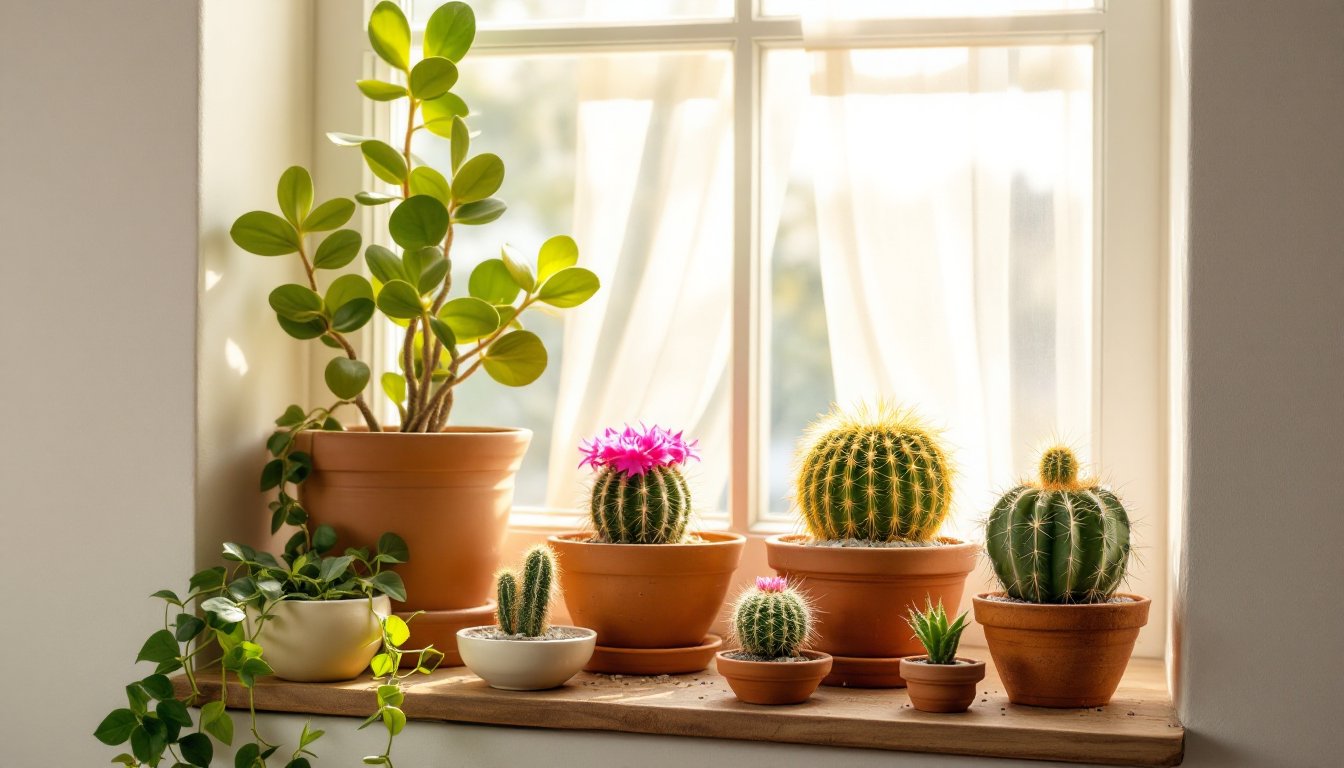
Tiered shelving near a bright window displays a collection at varying heights. Stagger flowering times by choosing species that bloom in different seasons. Clay saucers protect shelves from water damage.
Dedicated cactus corners group multiple plants on a low table or plant stand. Varying pot heights (use risers or stacked books underneath decorative pots) creates dimension. Stick to a cohesive color palette for pots, terracotta, concrete, or matte black, to let the plants shine.
Outdoor summer vacations benefit most cacti. Once nighttime temps stay above 50°F, move pots to a covered porch or patio where they’ll receive more intense light. Acclimate gradually over 7-10 days to prevent sunburn. Bring them back inside before first frost.
Safety note: Keep cacti out of high-traffic areas and away from children and pets. Those spines cause genuine injury, and some species are toxic if ingested. Display them where they’ll be admired but not accidentally bumped.
Whether grouped in a desert-themed vignette or displayed as architectural specimens, cacti bring low-maintenance greenery to spaces where needier plants would fail. Their slow growth means arrangements stay composed for years, not months.