Table of Contents
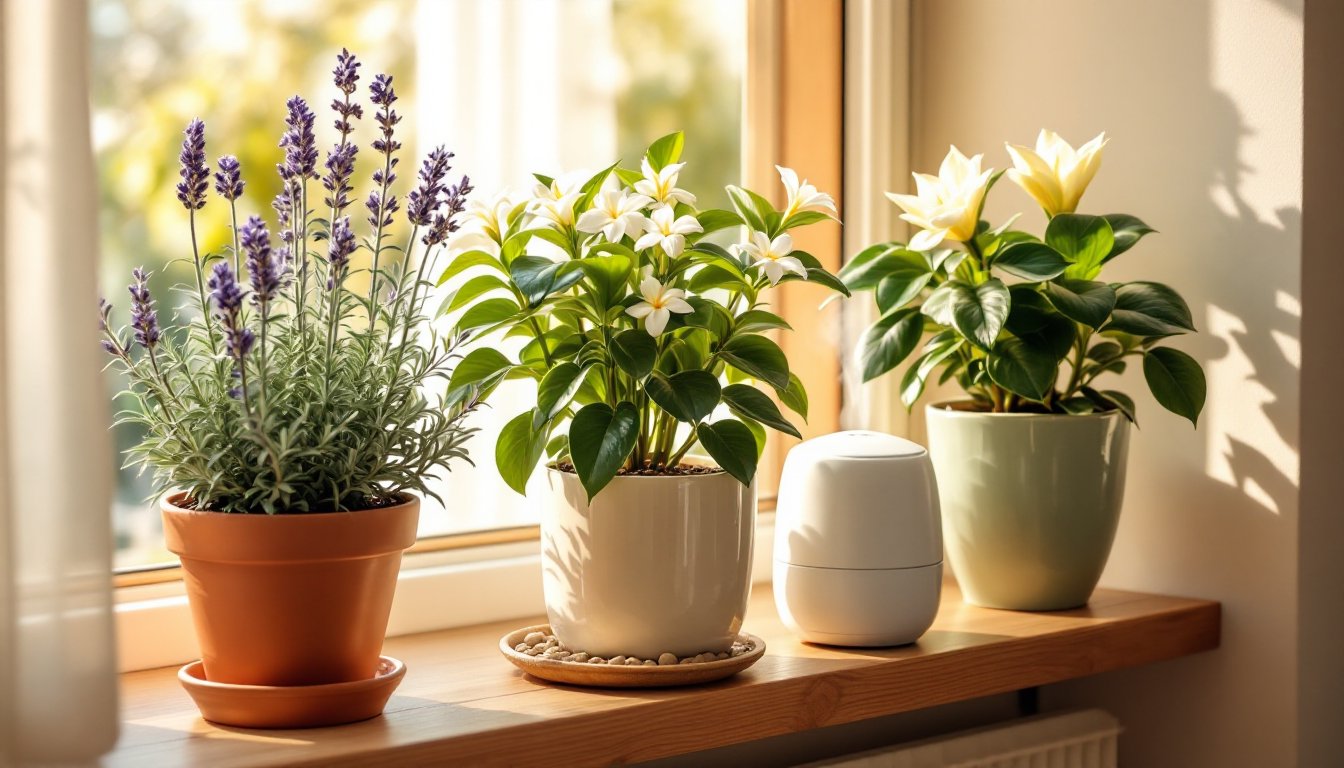
ToggleArtificial air fresheners and scented candles can only do so much before they start feeling cloying or synthetic. If you’re looking for a natural way to make your home smell fresh without plugging in a diffuser every few hours, fragrant indoor plants offer a living, breathing solution. They do the work of scenting your space while improving air quality and adding greenery to your interior. Unlike temporary fixes, these plants produce fragrance naturally, some all day, others in the evening or when touched. This guide walks through the best fragrant indoor plants, how to care for them, and where to place them for maximum effect.
Key Takeaways
- Fragrant indoor plants offer a natural, low-maintenance alternative to artificial air fresheners while simultaneously improving air quality and requiring no batteries or refills.
- Jasmine, gardenia, and lavender are top fragrant indoor plants, each with distinct care requirements—jasmine thrives with cool winters and bright indirect light, gardenia demands high humidity and acidic soil, and lavender needs full sun and dry conditions.
- Proper placement in high-traffic areas, bedrooms, and near seating maximizes fragrance dispersal, while elevation on plant stands and good air circulation help scent reach throughout your home.
- Fragrant indoor plants require consistent attention to watering, humidity (50-60% for tropical species), stable temperatures between 60-75°F, and bright light for 4-8 hours daily to produce fragrance effectively.
- Most fragrant plants are heavy feeders during growing season and need fertilizing every 2-4 weeks, repotting annually, and weekly pest inspections to maintain healthy blooms and scent production.
- Lavender and jasmine promote relaxation and sleep, making them ideal for bedrooms, while herbs like rosemary and mint offer dual benefits as both fragrant plants and cooking ingredients in kitchen spaces.
Why Choose Fragrant Indoor Plants for Your Home
Fragrant indoor plants aren’t just decorative, they’re functional. They release natural essential oils and compounds that scent the air without synthetic additives, dyes, or propellants. For people sensitive to artificial fragrances or those trying to reduce chemical exposure indoors, live plants are a solid alternative.
They also multitask. While scenting a room, many fragrant plants help filter indoor air pollutants like formaldehyde and benzene, especially in tightly sealed modern homes. Some species, like lavender and jasmine, are known for promoting relaxation and better sleep, making them ideal for bedrooms or reading nooks.
Unlike candles or plug-ins, fragrant plants don’t require batteries, electricity, or refills. Once established, they produce scent continuously with minimal input beyond routine watering and light. That makes them a low-maintenance, long-term investment for homeowners who want a cleaner-smelling interior without ongoing consumable costs.
One thing to note: fragrance strength varies by species, time of day, and environmental conditions. Some plants release scent only when blooming or when leaves are brushed. Understanding these nuances helps you pick the right plant for the right room.
Best Fragrant Indoor Plants for Natural Home Scent
Jasmine: Sweet, Romantic Fragrance That Thrives Indoors
Jasminum polyanthum (pink jasmine) and Jasminum sambac (Arabian jasmine) are the two species most commonly grown indoors. Both produce intensely fragrant white or pale pink blooms with a sweet, heady scent that’s strongest in the evening.
Jasmine prefers bright, indirect light, at least 4-6 hours daily. An east- or west-facing window works well. It can tolerate some direct morning sun but may scorch in harsh afternoon light. Keep soil consistently moist during the growing season (spring through fall), but let the top inch dry out between waterings in winter.
Temperature matters. Jasmine blooms best with a cool winter rest period, ideally around 50-60°F at night. If your home stays above 70°F year-round, blooming may be sparse. Indoor growers often move jasmine to an unheated sunroom or enclosed porch in late fall to trigger bud formation.
Jasmine is a vining plant, so provide a small trellis, hoop, or stake for support. Prune after blooming to control size and encourage bushier growth. Fertilize monthly during active growth with a balanced liquid fertilizer diluted to half strength.
Safety note: Jasmine is generally safe around pets, though ingestion of large amounts may cause mild stomach upset. Keep out of reach if you have curious cats or dogs.
Gardenia: Bold Floral Aroma for Plant Enthusiasts
Gardenia jasminoides produces waxy, creamy-white blooms with one of the most potent floral fragrances you can grow indoors. The scent is rich, sweet, and unmistakable, often compared to tuberose or magnolia. But gardenias are finicky. They’re not beginner plants.
Gardenias demand high humidity (at least 50%) and consistent moisture. Dry indoor air, especially in winter, causes bud drop and brown leaf edges. Use a humidifier, place the pot on a pebble tray filled with water, or mist foliage daily. Avoid misting open blooms, which can cause spotting.
Light requirements are strict: bright, indirect light for 6-8 hours daily. Too little light = no blooms. Too much direct sun = scorched leaves. South-facing windows with sheer curtains work well.
Soil pH is critical. Gardenias thrive in acidic soil (pH 5.0-6.0). Use a potting mix formulated for azaleas or camellias, and fertilize every 2-3 weeks during the growing season with an acid-loving plant fertilizer (look for products labeled for azaleas, rhododendrons, or blueberries).
Temperature swings stress gardenias. They prefer daytime temps of 65-75°F and slightly cooler nights. Keep them away from heating vents, drafty windows, and air conditioning blasts. This is one plant where stability matters more than almost anything else.
Lavender: Calming Scent Perfect for Bedrooms and Living Spaces
Lavandula angustifolia (English lavender) and Lavandula stoechas (Spanish lavender) can both be grown indoors, though they’re more forgiving outdoors. Lavender’s clean, herbaceous scent is widely used in aromatherapy for relaxation and sleep support, making it a natural fit for bedrooms.
Lavender needs full sun, at least 6 hours of direct light daily. South-facing windows are ideal. Without enough light, lavender grows leggy, produces weak stems, and rarely blooms. If natural light is insufficient, supplement with a full-spectrum grow light positioned 6-12 inches above the plant.
Watering is the biggest pitfall. Lavender is a Mediterranean plant adapted to dry conditions. Overwatering causes root rot and fungal issues. Let soil dry out almost completely between waterings, and always use a well-draining potting mix, ideally a cactus or succulent blend amended with extra perlite.
Indoor lavender benefits from good air circulation. Stagnant air encourages mildew and pests like aphids. A small fan on low speed, positioned nearby but not directly on the plant, helps.
Prune lavender after blooming to prevent woody growth and encourage fresh, fragrant foliage. Cut back stems by about one-third, just above a set of leaves. Avoid cutting into old, woody stems, which don’t regenerate well.
Note: Lavender is safe for humans but toxic to cats and dogs if ingested in large amounts. Keep it out of reach or choose a pet-safe alternative if you have nibblers.
How to Care for Fragrant Indoor Plants
Fragrant plants share a few common care needs, but individual species have quirks. Here’s what applies broadly:
Watering: Most fragrant bloomers prefer consistent moisture during active growth, but not waterlogged soil. Use pots with drainage holes. Check soil moisture by sticking your finger 1-2 inches down, if it’s dry at that depth, water thoroughly until it drains from the bottom. Empty saucers after 15 minutes to prevent root rot.
Light: Fragrance production is energy-intensive. Plants that bloom or release oils need bright light, usually 4-8 hours of direct or bright indirect sun daily. Low-light conditions reduce blooming and scent output. Rotate pots every week or two to ensure even growth.
Humidity: Many fragrant tropicals (jasmine, gardenia) need 50-60% relative humidity. Indoor air in heated or air-conditioned homes often drops to 20-30%. Solutions include:
- Running a cool-mist humidifier near plants
- Grouping plants together to create a microclimate
- Placing pots on trays filled with pebbles and water (pot base should sit above water line)
Temperature: Avoid placing fragrant plants near heat vents, radiators, or drafty windows. Most prefer stable temps between 60-75°F. Sudden temperature swings stress plants and trigger bud drop.
Fertilizing: Blooming plants are heavy feeders. During the growing season (spring through early fall), fertilize every 2-4 weeks with a balanced liquid fertilizer (10-10-10 or similar) diluted to half strength. Reduce or stop feeding in winter when growth slows.
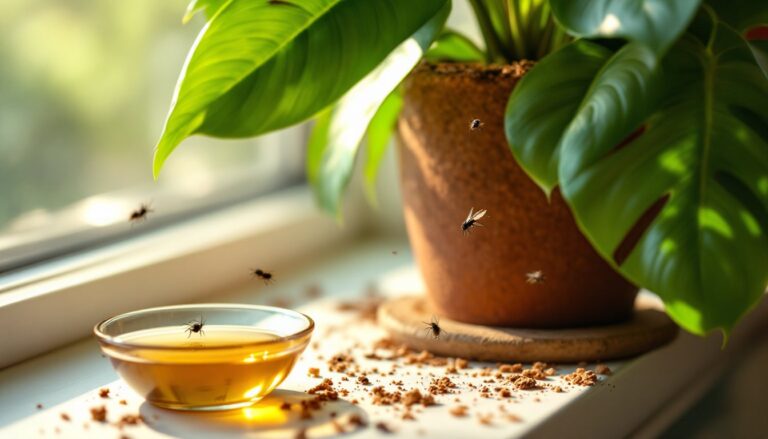
Pest management: Indoor fragrant plants attract aphids, spider mites, and whiteflies, especially in dry conditions. Inspect foliage weekly. Treat infestations early with insecticidal soap or neem oil spray, following label directions. For methods like organic indoor gardening, consider companion planting or introducing beneficial insects if space allows.
Repotting: Most fragrant indoor plants need repotting every 1-2 years. Signs include roots growing through drainage holes, water running straight through without absorbing, or severely stunted growth. Repot in spring before active growth begins, using fresh potting mix and a container one size larger.
Placement Tips to Maximize Fragrance Throughout Your Home
Where you put a fragrant plant affects how well you’ll smell it, and how well it’ll grow.
High-traffic areas: Place scented plants like jasmine or lavender near doorways, hallways, or entryways where people pass frequently. Brushing against foliage releases oils and intensifies scent. This works especially well with herbs like scented geraniums (pelargoniums), which only smell when touched.
Bedrooms: Lavender and jasmine are traditional bedroom plants. Their scents promote relaxation and may improve sleep quality. Position them on a nightstand or dresser within 3-4 feet of the bed, but not so close that fragrance becomes overwhelming. Ensure adequate ventilation, open a window slightly if the room feels stuffy.
Living rooms and sitting areas: Gardenia and jasmine work well in living spaces with good natural light. Place them near seating areas where their scent can be enjoyed without dominating the room. Avoid placing fragrant plants directly next to strong-smelling items (like scented candles or potpourri), which can muddy the natural fragrance.
Kitchens and dining areas: Herbs like rosemary, mint, and lemon balm (all fragrant when brushed) are practical in kitchens. They scent the air lightly and double as cooking ingredients. Keep them on a sunny windowsill above the sink or on a counter with at least 6 hours of direct light.
Bathrooms: If your bathroom has a window with bright light, consider small pots of lavender or jasmine. Humidity from showers benefits tropical fragrant plants. Avoid placing them in windowless bathrooms, they won’t get enough light and will decline quickly.
Air circulation: Fragrance disperses better with gentle air movement. A ceiling fan on low, an open window, or a small oscillating fan helps carry scent throughout a room without drying out plants. Stagnant air traps fragrance near the plant and limits its reach.
Seasonal adjustments: In winter, when windows stay closed and heating systems run, fragrant plants often struggle with dry air and low humidity. Move them closer to humidifiers or group them together. If light levels drop significantly, consider supplementing with a grow light to maintain blooming and scent production. Many home decorating ideas incorporate seasonal plant rotations to keep interiors fresh year-round.
Container choice: Use unglazed terracotta pots for plants like lavender that prefer drier conditions, terracotta wicks moisture away from roots. For humidity-loving plants like gardenia, glazed ceramic or plastic pots retain moisture better. Always ensure drainage holes are present.
Elevation: Scent rises, so placing fragrant plants on plant stands, shelves, or side tables often works better than floor-level placement. This is especially true for low-growing herbs or compact bloomers. Elevating plants also improves air circulation around the pot, reducing pest and disease risk.
For those interested in pairing fragrant plants with Southern home design aesthetics, consider classic porch-style containers like galvanized buckets or vintage planters, just make sure to drill drainage holes if they don’t already have them.