Table of Contents
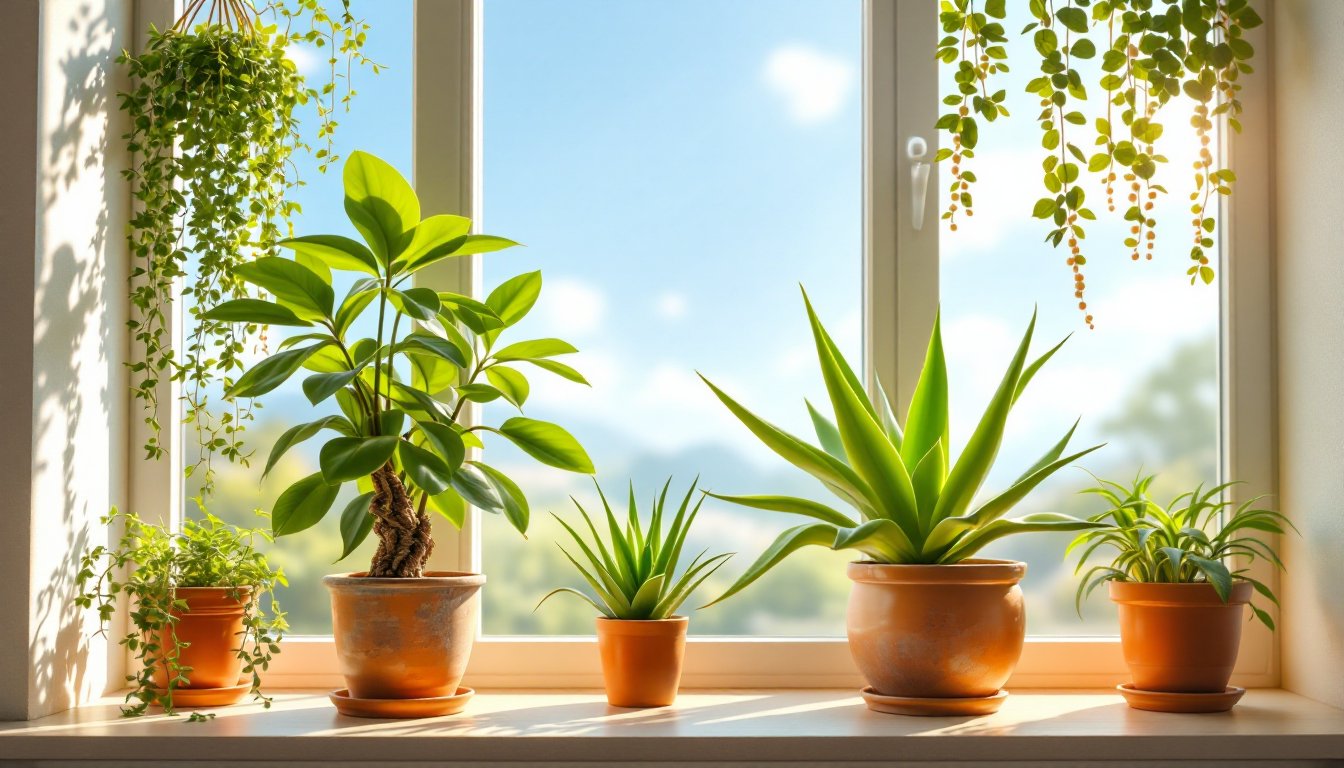
ToggleSouth-facing windows and sun-flooded rooms aren’t obstacles for indoor gardeners, they’re opportunities. While many houseplants wilt under intense light, a surprising number of species actually crave those direct rays that bake windowsills six hours a day. Full sun indoor plants don’t just tolerate brightness: they demand it, rewarding growers with vigorous growth, vibrant foliage, and sometimes even blooms. If your space gets relentless sunlight and you’re tired of watching shade-lovers struggle, it’s time to stock up on varieties bred for brilliance.
Key Takeaways
- Full sun indoor plants require six or more hours of direct, unfiltered sunlight daily and thrive in spaces like south-facing windows, making them ideal for bright interiors that challenge traditional houseplants.
- Succulents, cacti, and sun-loving varieties like jade plants, aloe vera, and ponytail palms prefer drying out between waterings, as overwatering is the leading cause of plant failure in high-light environments.
- Fast-draining soil is essential for full sun indoor plants—amend standard potting mix 50/50 with perlite, coarse sand, or use dedicated cactus mixes to prevent root rot.
- Gradually acclimate full sun indoor plants over 7–10 days when moving them from lower-light conditions to prevent sunburn and leaf damage from sudden UV exposure.
- Position high-light plants within 12 inches of unobstructed south or west-facing windows, as distance from glass significantly reduces light intensity even in naturally bright rooms.
- Most sun-loving plants need minimal fertilizer (diluted, half-strength applications every four weeks) and prefer dry air around 30–40% humidity, eliminating the need for misting or pebble trays.
What Are Full Sun Indoor Plants?
Full sun indoor plants thrive in spaces receiving six or more hours of direct, unfiltered sunlight daily, typically within two feet of south-facing windows in the Northern Hemisphere. These aren’t plants adapted to dappled light or bright indirect exposure: they’ve evolved in arid, tropical, or high-altitude environments where intense UV is the norm.
Key characteristics include thick, waxy, or succulent leaves that resist moisture loss, compact growth habits that prevent scorching, and often silver or gray foliage that reflects excess light. Species like cacti, jade plants, and certain palms fit this profile.
It’s worth noting that “full sun” indoors differs from outdoor full sun. Glass filters some UV wavelengths, and even the brightest windowsill delivers less total light intensity than an unobstructed garden bed. That said, unshaded south or west windows in summer can still reach 8,000–10,000 foot-candles at midday, more than enough to stress shade-preferring tropicals but perfect for desert or Mediterranean natives.
If a plant’s leaves bleach, curl, or develop brown crispy edges even though adequate water, it’s likely getting too much sun. Conversely, leggy growth and pale new leaves signal insufficient light, even in a “sunny” spot.
Best Full Sun Indoor Plants for Bright Interiors
Low-Maintenance Sun-Loving Varieties
Jade Plant (Crassula ovata) tops the list for beginners. This succulent handles neglect, needs water only when soil dries completely (every 10–14 days in summer), and develops a thick trunk over time. Jade stores water in fleshy leaves, so underwatering beats overwatering every time. Keep it in a terracotta pot with cactus mix for drainage.
Aloe Vera thrives on benign neglect in full sun. Water every three weeks, ensure the pot has drainage holes, and watch for the thick leaves to plump up after watering. Aloe vera produces offsets (pups) that can be separated and repotted once they’re a few inches tall.
Ponytail Palm (Beaucarnea recurvata) isn’t a true palm but a succulent with a bulbous trunk that stores months’ worth of moisture. It tolerates dry air, irregular watering, and temperatures down to 50°F. The arching leaves add texture without demanding humidity.
String of Pearls (Senecio rowleyanus) trails beautifully in hanging planters near sunny windows. Water sparingly, overwatering causes the “pearls” to burst. This plant signals thirst by slightly shriveling: wait for that cue rather than sticking to a schedule.
Many of these sun-loving houseplants share a common trait: they’d rather dry out than sit in soggy soil.
Statement Plants for Large Sunny Windows
Fiddle Leaf Fig (Ficus lyrata) has a reputation for drama, but it settles down beautifully in consistent, bright light. Rotate the plant a quarter-turn weekly to prevent lopsided growth. Wipe dust off those broad leaves monthly, clean foliage photosynthesizes more efficiently.
Bird of Paradise (Strelitzia reginae) demands space and sun. Mature plants can reach six feet indoors and may bloom if they receive enough light (rare indoors, but possible in conservatories). Use a pot with drainage, feed monthly during the growing season with balanced liquid fertilizer, and don’t expect flowers until the plant is at least five years old.
Yucca species bring architectural drama with sword-like leaves and woody stems. They tolerate low humidity, prefer temperatures between 60–80°F, and need deep but infrequent watering. Yucca roots rot quickly in standing water, so use a sandy, fast-draining mix.
Croton (Codiaeum variegatum) offers electric color, reds, yellows, oranges, but only in full sun. Insufficient light turns the foliage dull green. Crotons need consistent moisture (don’t let soil fully dry) and dislike drafts or sudden temperature swings below 60°F.
How to Care for Full Sun Indoor Plants
Watering frequency depends on light intensity, pot material, and season. Plants in terracotta pots dry faster than those in glazed ceramic. In summer, succulents in full sun may need water weekly: in winter, stretch that to three weeks. Always check soil moisture two inches down before watering.
Soil composition matters. Most sun-lovers need fast drainage. Mix standard potting soil 50/50 with perlite, coarse sand, or pumice. Cacti and succulents do best in dedicated cactus mix. Avoid moisture-retaining mixes labeled for ferns or tropicals, those hold too much water for desert-adapted plants.
Fertilizer should be diluted and applied during active growth (spring through early fall). Use a balanced 10-10-10 liquid fertilizer at half strength every four weeks. Succulents need even less, a quarter-strength dose every eight weeks is plenty. Over-fertilizing causes salt buildup that burns roots.
Humidity isn’t usually a concern for sun-loving plants. Most prefer dry air (30–40% relative humidity). Skip the pebble trays and misters unless you’re growing crotons, which appreciate occasional moisture.
Temperature tolerance varies. Succulents handle 50–90°F, but tropical sun-lovers like croton or bird of paradise suffer below 60°F. Keep plants away from cold drafts near windows in winter, and avoid placing them over heating vents where dry, hot air causes rapid moisture loss.
Repotting becomes necessary when roots circle the drainage holes or growth slows even though adequate light and water. Most sun-loving plants prefer being slightly root-bound, so don’t rush to upsize. When you do repot, go up only one pot size (2 inches wider in diameter).
Choosing the Right Location in Your Home
South-facing windows deliver the most intense, consistent light in the Northern Hemisphere, ideal for cacti, succulents, and high-light tropicals. Expect 6–8 hours of direct sun in summer, slightly less in winter as the sun’s angle shifts.
West-facing windows provide strong afternoon light, which can be hotter and more intense than morning rays. Plants here may need occasional shading with a sheer curtain during peak summer heat (June–August) to prevent leaf scorch, especially on young or newly acquired specimens still acclimating.
Unobstructed placement matters more than window size. A small south window without trees, awnings, or buildings blocking the view often outperforms a large east window shaded by a porch roof. Use a light meter app (many are free) to measure foot-candles if you’re unsure, 5,000+ fc qualifies as full sun indoors.
Distance from glass affects light intensity. Within 12 inches of the window is prime real estate. At three feet back, light drops significantly, even if the room feels bright. Position your highest-light plants directly on the sill or on a plant stand within a foot of the glass.
Seasonal adjustments keep plants healthy year-round. Winter sun sits lower in the sky and penetrates deeper into rooms, but day length shortens. Some growers supplement with full-spectrum LED grow lights (5,000–6,500K color temperature) on timers to maintain 12–14 hours of light during November through February. This isn’t necessary for succulents entering dormancy, but it helps tropical varieties maintain growth.
Rotate plants regularly to encourage even growth and prevent one-sided leaning. A quarter-turn every week keeps canopies balanced.
Common Mistakes to Avoid with Sun-Loving Plants
Overwatering kills more sun-loving plants than any other factor. Just because a plant sits in intense light doesn’t mean it needs constant moisture. Succulents and cacti evolved to store water and survive drought. Let soil dry thoroughly between waterings, stick your finger two inches deep to check.
Using the wrong soil leads to root rot. Standard potting mix retains too much moisture for most full-sun varieties. Always amend with perlite, coarse sand, or use a cactus-specific blend. If water pools on the surface or takes more than a few seconds to absorb, the mix is too dense.
Ignoring acclimation when moving plants from a nursery or shadier spot to full sun causes sunburn. Gradually increase light exposure over 7–10 days, starting with a few hours of direct sun and building up. Leaves adapted to lower light can’t handle sudden intense UV and will develop bleached patches or brown spots.
Skipping drainage holes is a recipe for disaster. Decorative pots without drainage look great but trap water at the bottom, even if you’re careful with watering. Either drill holes (use a masonry bit for ceramic) or use the decorative pot as a cachepot with a nursery pot inside that has drainage.
Fertilizing during dormancy wastes product and stresses plants. Most succulents and cacti slow or stop growing in winter when light levels drop and temperatures cool. Hold off on feeding from October through March, and resume only when you see new growth in spring.
Neglecting pest checks is easier in bright light, but mealybugs, spider mites, and scale still strike. Inspect leaf axils and undersides monthly. Treat infestations early with insecticidal soap or neem oil spray. Isolate affected plants to prevent spread.
Placing plants too far from the window defeats the purpose. A “sunny room” with bright ambient light isn’t the same as direct sun on the leaves. If a plant stretches toward the window or produces smaller, paler leaves, it’s not getting enough intensity, move it closer or accept that it’s not a true full-sun candidate for that location.