Table of Contents
ToggleCreating a green, vibrant indoor space doesn’t have to come at the expense of a dog’s safety. Many popular house plants contain toxic compounds that can cause anything from mild stomach upset to serious organ damage in dogs. The challenge for pet owners isn’t avoiding greenery altogether, it’s knowing which plants pose real risks and which ones are safe to keep around curious noses and wagging tails. This guide covers the most common toxic house plants, what symptoms to watch for if a dog ingests plant material, and how to build a dog-friendly indoor garden that keeps both pets and plants thriving.
Key Takeaways
- Many common house plants, including pothos, lilies, sago palms, and philodendrons, are poisonous to dogs and can cause symptoms ranging from mild drooling to serious organ damage within minutes or hours.
- Sago palms are among the most dangerous, with even one or two seeds potentially causing fatal liver failure, while calcium oxalate-containing plants like pothos and dieffenbachia cause painful oral swelling and difficulty swallowing.
- Early recognition of symptoms like excessive drooling, vomiting, neurological issues, or difficulty breathing is critical—contact your vet or the ASPCA Animal Poison Control Center (888-426-4435) immediately if plant ingestion is suspected.
- Dog-safe alternatives like spider plants, Boston ferns, areca palms, peperomia, African violets, parlor palms, and calatheas allow you to maintain a vibrant indoor garden without exposing your pet to toxins.
- Strategic placement using hanging planters, wall-mounted shelves, heavy containers, physical barriers, and a reliable ‘leave it’ command creates a dog-friendly indoor garden that prioritizes safety alongside style.
Why House Plants Can Be Dangerous to Dogs
Dogs explore their world with their mouths, which puts them at immediate risk when toxic plants are within reach. Unlike outdoor plants that dogs might encounter on walks, house plants are accessible 24/7, increasing the likelihood of repeated exposure.
Many ornamental plants contain calcium oxalate crystals, which cause immediate pain and swelling when chewed. Others produce glycosides, saponins, or alkaloids that interfere with heart function, digestion, or neurological processes. The toxicity level varies widely, some plants cause nothing more than drooling and mild nausea, while others can trigger kidney failure, seizures, or cardiac arrest.
Size and breed don’t offer much protection. A small dog chewing on a toxic plant will ingest a higher dose relative to body weight, but large breeds are just as vulnerable if they consume enough plant material. Puppies and young dogs are at higher risk simply because they’re more likely to chew on things out of curiosity or boredom.
The good news: most dogs won’t consume enough plant material to cause life-threatening toxicity. The bad news: even mild cases require veterinary attention, and some plants are dangerous in very small amounts. Symptoms can appear within minutes or take several hours to develop, depending on the plant and the amount ingested.
Most Common Toxic House Plants Every Dog Owner Should Know
Not all toxic plants are equally dangerous, but familiarity with the most common offenders helps pet owners make informed decisions about what stays and what goes.
Popular Flowering Plants That Pose Risks
Lilies (especially Asiatic, Easter, and Stargazer varieties) are catastrophically toxic to cats, but they also cause gastrointestinal upset in dogs. While not as deadly to dogs as they are to cats, they’re best removed from any multi-pet household.
Sago palms are one of the most dangerous plants for dogs. Every part of the plant, especially the seeds, contains cycasin, a toxin that causes liver failure. Ingestion of even one or two seeds can be fatal. Symptoms include vomiting, diarrhea, seizures, and liver failure within 12 to 24 hours.
Azaleas and rhododendrons contain grayanotoxins that affect sodium channels in cell membranes, leading to vomiting, drooling, diarrhea, weakness, and potentially fatal heart arrhythmias. Even small amounts can cause serious problems.
Chrysanthemums contain pyrethrins, which are used in many flea treatments but are toxic when ingested. Dogs that chew on mums may experience drooling, vomiting, diarrhea, and incoordination.
Trendy Foliage Plants to Avoid
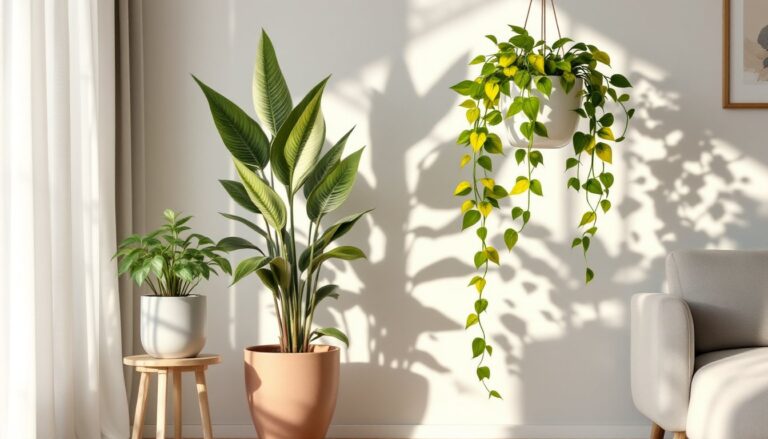
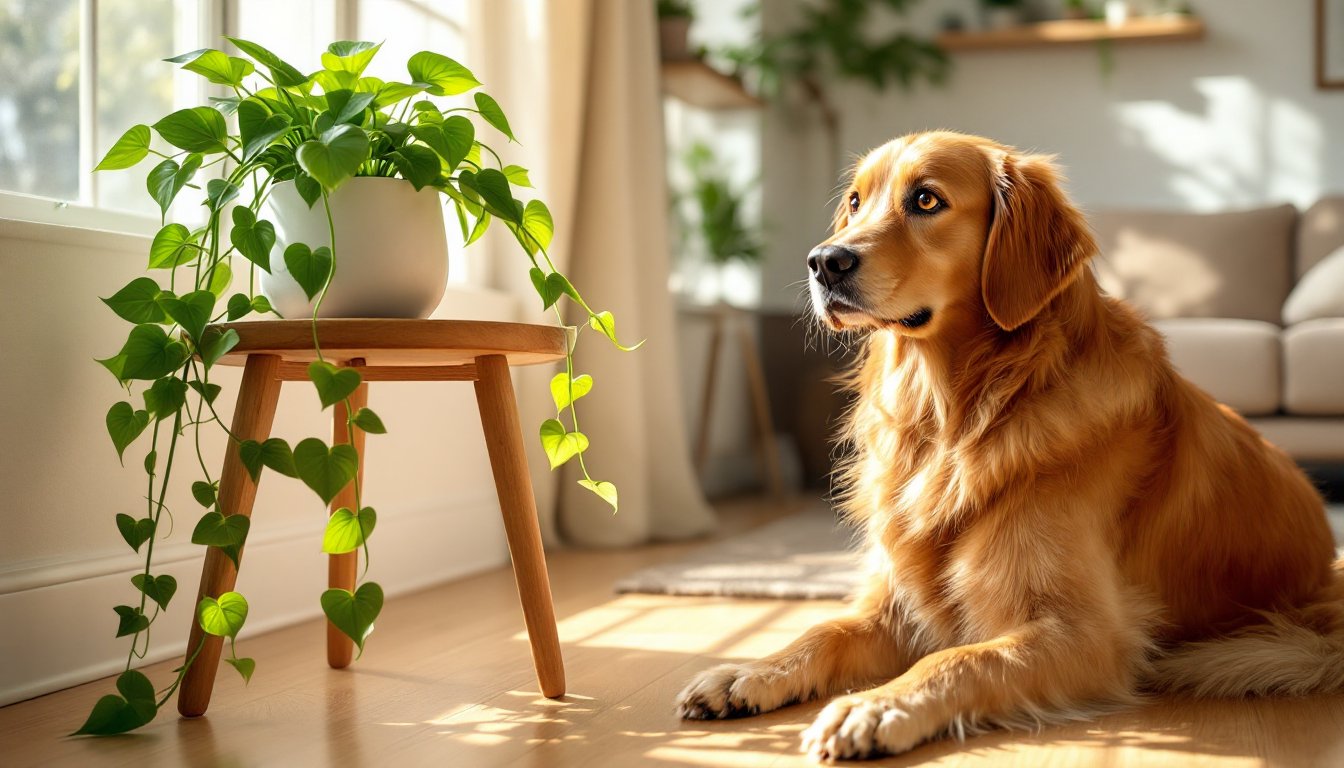
Pothos (also called devil’s ivy) is one of the most common house plants, prized for its low-light tolerance and trailing vines. It contains calcium oxalate crystals that cause oral irritation, drooling, vomiting, and difficulty swallowing. While rarely fatal, it’s extremely uncomfortable for dogs and can cause throat swelling.
Philodendrons (including split-leaf and heart-leaf varieties) share the same calcium oxalate problem as pothos. The home decor trend toward large statement foliage plants has made philodendrons more common in living rooms, but they should be kept well out of a dog’s reach.
ZZ plants (Zamioculcas zamiifolia) contain calcium oxalate and can cause mouth pain, excessive drooling, and stomach upset. They’re especially popular in modern interiors because they tolerate neglect, but they’re not dog-friendly.
Dieffenbachia (dumb cane) earns its nickname from the temporary speechlessness it causes when chewed, due to severe oral swelling. The plant’s sap contains calcium oxalate crystals and proteolytic enzymes that intensify the irritation.
English ivy contains triterpenoid saponins that cause vomiting, diarrhea, drooling, and abdominal pain. It’s often grown as a hanging plant, which keeps it out of reach but not out of danger if vines are allowed to trail too low.
Snake plants (Sansevieria) contain saponins that can cause nausea, vomiting, and diarrhea. They’re extremely popular in contemporary design schemes, but they’re not a good match for homes with floor-level plant access.
Signs Your Dog Has Ingested a Poisonous Plant
Recognizing the symptoms of plant poisoning early can make the difference between a quick recovery and a serious medical emergency. Always call a veterinarian or the ASPCA Animal Poison Control Center (888-426-4435) immediately if plant ingestion is suspected.
Oral irritation is often the first visible symptom. Dogs will paw at their mouths, drool excessively, and may refuse food or water. The tongue, gums, and throat may appear red or swollen.
Gastrointestinal symptoms include vomiting, diarrhea, loss of appetite, and abdominal pain. These can appear within 15 minutes to several hours after ingestion, depending on the plant.
Neurological symptoms such as tremors, seizures, disorientation, or weakness indicate a more serious toxicity. Plants like sago palm, azalea, and certain bulbs can affect the nervous system and heart.
Difficulty breathing or swallowing suggests throat swelling, which is an emergency. This can happen with plants containing calcium oxalate crystals or proteolytic enzymes.
Increased urination, excessive thirst, or changes in urine color may point to kidney damage, particularly with lilies (though this is more common in cats).
If possible, identify the plant and bring a sample (in a sealed bag) to the vet. Take photos of the plant and any chewed leaves or vomit. Do not induce vomiting unless explicitly instructed by a veterinarian, some plant toxins cause more damage coming back up.
Time matters. Many plant toxins are easier to manage if treatment begins within the first few hours. Activated charcoal, IV fluids, anti-nausea medication, and supportive care can prevent complications if administered quickly.
Safe House Plant Alternatives for Dog Owners
Dog owners don’t have to live in a plant-free zone. There are plenty of attractive, low-maintenance house plants that are non-toxic to dogs.
Spider plants (Chlorophytum comosum) are safe, hardy, and produce cascading offshoots that add visual interest. They tolerate low to bright indirect light and are nearly impossible to kill.
Boston ferns offer lush, feathery foliage and are completely safe for dogs. They do require higher humidity and consistent watering, so they’re best suited for bathrooms or kitchens.
Areca palms (also called butterfly palms) are non-toxic and bring a tropical feel to any room. They can grow quite large and prefer bright, indirect light.
Peperomia varieties are compact, come in a wide range of leaf shapes and colors, and are safe for pets. They’re ideal for shelves, desks, and small spaces.
African violets provide color without risk. They bloom reliably under the right conditions and stay small, making them perfect for tabletops.
Parlor palms are shade-tolerant, slow-growing, and safe. They’re a good choice for corners or low-light areas where other plants struggle.
Calatheas (prayer plants) are non-toxic and feature striking leaf patterns. They prefer indirect light and higher humidity, but they’re worth the extra attention for pet owners who want dramatic foliage.
Before purchasing any plant, cross-reference it with the ASPCA’s toxic and non-toxic plant database. Even within plant families, some species are safe while others aren’t. When in doubt, choose plants with tested safety records and verified non-toxic status.
How to Create a Dog-Safe Indoor Garden
Building a dog-friendly indoor garden requires more than just swapping out toxic plants. It’s about strategic placement, physical barriers, and training.
Use elevation to your advantage. Hanging planters, wall-mounted shelves, and tall plant stands keep greenery out of reach. Make sure hanging pots are securely anchored, falling plants can cause injuries and create a mess that invites chewing.
Choose heavy, stable containers. Lightweight pots are easy for dogs to knock over, especially if they brush against them or get excited indoors. Ceramic or concrete planters add weight and reduce the chance of spills.
Install physical barriers. Baby gates, decorative room dividers, or furniture placement can restrict access to plant-heavy rooms. This works especially well in sunrooms, home offices, or dining areas where plants are concentrated.
Train a reliable “leave it” command. Even safe plants can cause stomach upset if a dog eats large amounts of leaves or potting soil. Teaching dogs to ignore plants on command adds a critical layer of safety.
Avoid decorative moss, fertilizers, and pesticides. Many potting mixes contain perlite, vermiculite, or fertilizers that are harmful if ingested. Use organic potting soil and avoid slow-release fertilizer pellets that can look like kibble to a curious dog.
Supervise new plants during acclimation. When bringing a new plant home, monitor the dog’s interest level. Some dogs couldn’t care less about plants, while others will investigate anything new. Adjust placement based on behavior.
Keep pruning shears and plant debris out of reach. Fallen leaves, trimmings, and dead blooms should be cleaned up immediately. Dogs are more likely to chew on loose plant material than intact plants.
Creating a dog-safe indoor garden isn’t about sacrificing style, it’s about making informed choices and using the space strategically. With the right plant selection and placement, it’s entirely possible to enjoy a green, thriving home that’s safe for every member of the household.