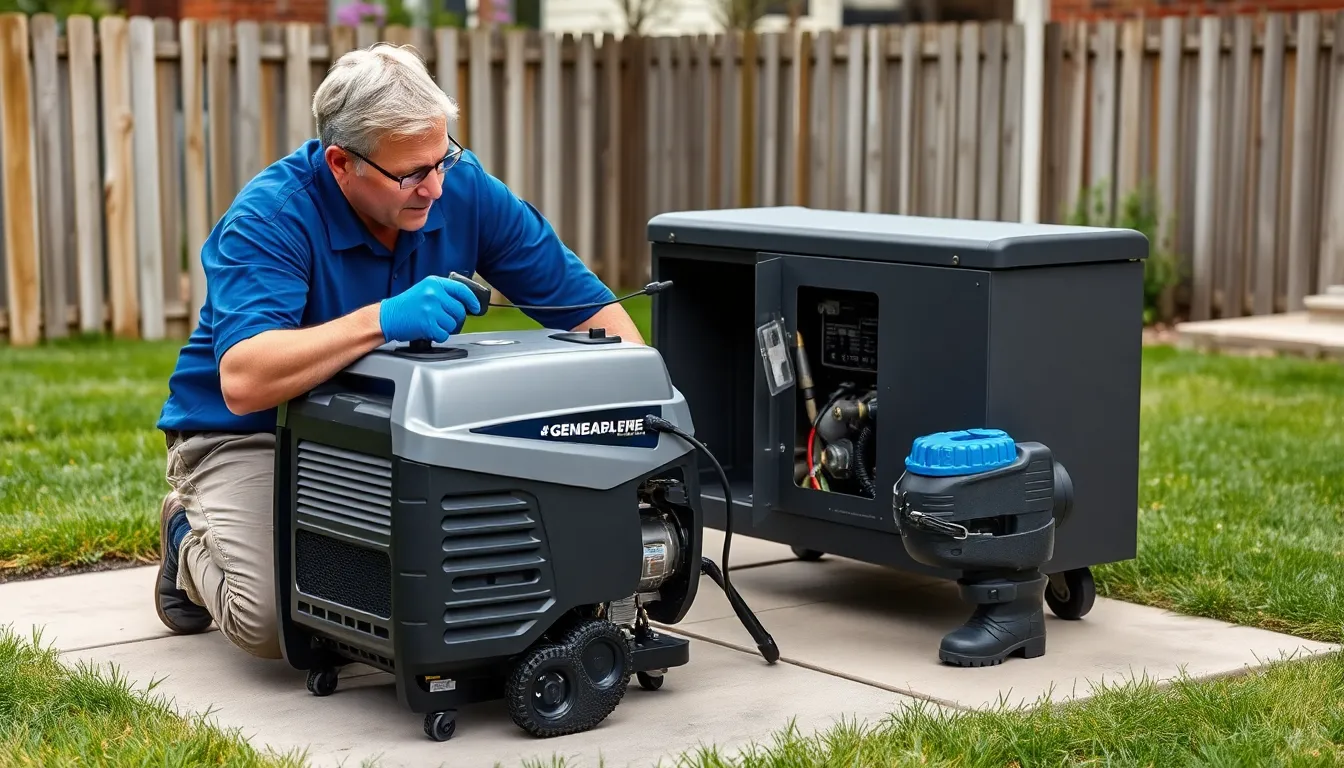
When the lights flicker and the storm clouds roll in, a home generator becomes your best friend. But like any relationship, it needs a little TLC to keep things running smoothly. Ignoring your generator’s maintenance is like trying to drive a car without changing the oil—eventually, it’ll leave you stranded in the dark.
Importance Of Home Generator Maintenance
Home generator maintenance ensures reliable power when outages occur. Timely upkeep minimizes the risk of breakdowns during critical situations, such as storms or extreme weather. Regular inspections identify potential issues before they escalate, saving money on costly repairs.
Changing the oil and replacing filters enhance engine performance and prolong lifespan. Battery checks are crucial; they guarantee the generator starts quickly when needed. Testing the generator under load confirms it can handle the electrical demands of the home.
Cleaning the fuel system prevents blockages, ensuring the generator runs smoothly. Inspecting cables and connections maintains optimal electrical flow and prevents overheating. Generators powered by propane or natural gas require specific maintenance tasks, including checking fuel levels and inspecting for leaks.
Controlling moisture and ensuring proper ventilation prevent rust and corrosion, extending the life of the equipment. Following the manufacturer’s maintenance schedule guarantees the generator meets warranty conditions.
Taking these actions results in a generator that operates efficiently and provides peace of mind during power outages. By prioritizing maintenance, homeowners protect their investment and ensure their safety in unforeseen conditions.
Types Of Home Generators
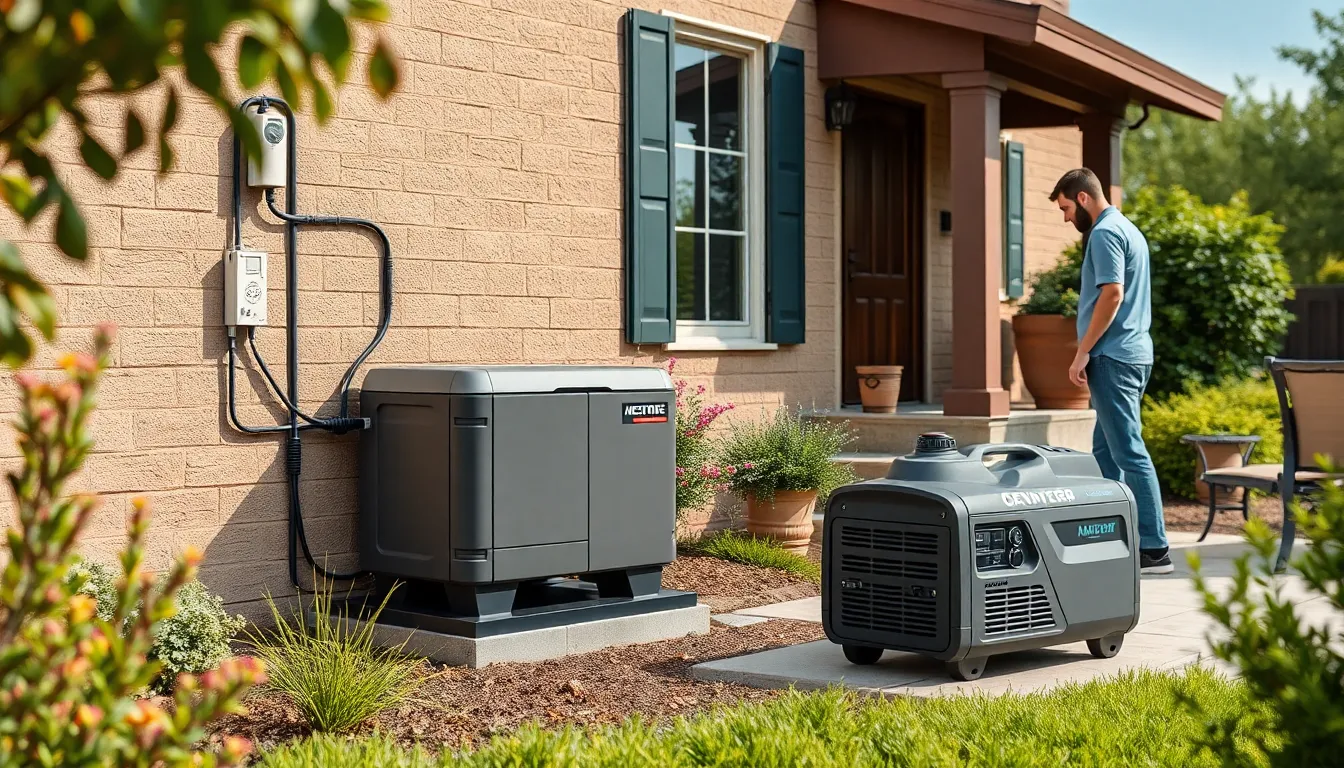
Home generators come in various types, each suiting different needs. Understanding these options helps homeowners choose the best solution for reliable power during outages.
Standby Generators
Standby generators provide automatic power restoration when utility electricity fails. These units connect directly to a home’s electrical system and sense outages without manual intervention. Typically powered by natural gas or propane, standby generators can run for extended periods. They offer greater power capacity than other types, often supporting all home appliances during an outage. Regular maintenance involves oil changes, battery checks, and periodic system tests to ensure readiness. This type of generator is ideal for homeowners seeking convenience and dependability in emergency situations.
Portable Generators
Portable generators are versatile, offering convenience for outdoor activities and home backup. These units operate on gasoline or propane and can power essential appliances during outages. Often lightweight and easy to move, portable generators fit various spaces. Owners must manually start these units and connect them to devices using extension cords. Regular maintenance tasks include checking oil levels, replacing air filters, and inspecting fuel lines. Safety precautions, like ensuring proper ventilation and using ground fault circuit interrupters, are crucial. Portable generators serve well for temporary needs when standby options aren’t viable.
Key Maintenance Practices
Routine maintenance of home generators ensures reliability during power outages. Implementing effective maintenance tasks reduces the risks of unexpected failures, keeping the generator ready when needed.
Regular Inspections
Conducting regular inspections helps identify potential issues before they worsen. Inspecting connections, wiring, and exhaust systems provides insights into any irregularities. Examine the generator’s exterior for signs of wear or damage. Checking for leaks around fuel lines also contributes to safety. Scheduling these inspections quarterly is advisable to avoid complications during severe weather.
Oil and Fuel Checks
Checking oil levels regularly ensures the generator operates smoothly. Oil changes must occur at least every 100 hours of operation or once a year. Users should also monitor the fuel quality, making sure it doesn’t contain water or sediment. During extended storage, using a fuel stabilizer helps maintain fuel integrity. Prioritizing these checks keeps the generator running efficiently during power outages.
Battery Maintenance
Maintaining the battery’s health is essential for reliable performance. Inspecting battery connections regularly ensures they remain tight and corrosion-free. Cleaning terminals with a mixture of baking soda and water prevents battery failure. Testing battery voltage at least twice a year verifies its ability to start the generator. Replacing the battery every three to five years can prevent inconvenience during emergencies.
Troubleshooting Common Issues
Addressing common generator issues helps ensure reliable performance during outages. Troubleshooting can prevent bigger problems down the line.
Starting Problems
Many generators experience starting issues, particularly after prolonged inactivity. Check the fuel supply first, as stale gasoline can lead to starting failure. Next, inspect the battery, looking for corrosion and ensuring connections are tight. Regular battery maintenance includes testing voltage biannually; weak batteries often prevent generators from starting. Additionally, dirty air filters may restrict airflow, affecting startup. When conducting inspections, consider the spark plug as it may need cleaning or replacing if it appears worn. These simple steps can often resolve starting difficulties without external assistance.
Electrical Issues
Electrical problems can disrupt a generator’s operation, impacting power delivery. Frequently inspect wiring for signs of wear, fraying, or damage that could cause outages. Checking circuit breakers is essential; resetting a tripped breaker can restore power immediately. Faulty connections may also lead to voltage drops that affect performance. Regular monitoring of output voltage helps maintain proper operation; fluctuations might indicate deeper issues within the generator. By addressing these electrical problems early, homeowners can maintain optimal generator functionality and avoid unexpected failures during outages.
Maintaining a home generator is crucial for ensuring uninterrupted power during outages. By prioritizing regular inspections and adhering to the manufacturer’s schedule, homeowners can avoid costly repairs and enhance the reliability of their systems. Simple tasks like changing oil and checking batteries can make a significant difference in performance.
Understanding the specific maintenance needs of both standby and portable generators allows for informed decisions and better preparedness. With the right care and attention, homeowners can protect their investment and enjoy peace of mind knowing their generators will function when needed most.